The fastest way to start getting rid of rats tonight is to set snap traps baited with peanut butter or nesting material like cotton balls, placed right along the walls where you’ve seen droppings or gnaw marks. You won’t erase a full infestation overnight. Rats are cautious, and real control takes several days of steady effort, not one quick fix.
Here’s the honest game plan. You need three things working together: trapping to remove the rats that are already inside, baiting if the problem is bigger than a trap or two can handle, and exclusion to seal the gaps they’re using to get in. Skip that last step and new rats will just replace the ones you catch.
The rest of this guide walks through each pillar, plus what to do in your attic, yard, walls, or chicken coop.
The Decision Framework: Trap, Bait, or Call a Pro?
With so many products on shelves, picking the right one can feel harder than the rat problem itself. Here’s how the main options stack up.
| Method | Speed | Cost | Pet Safety | Mess Factor |
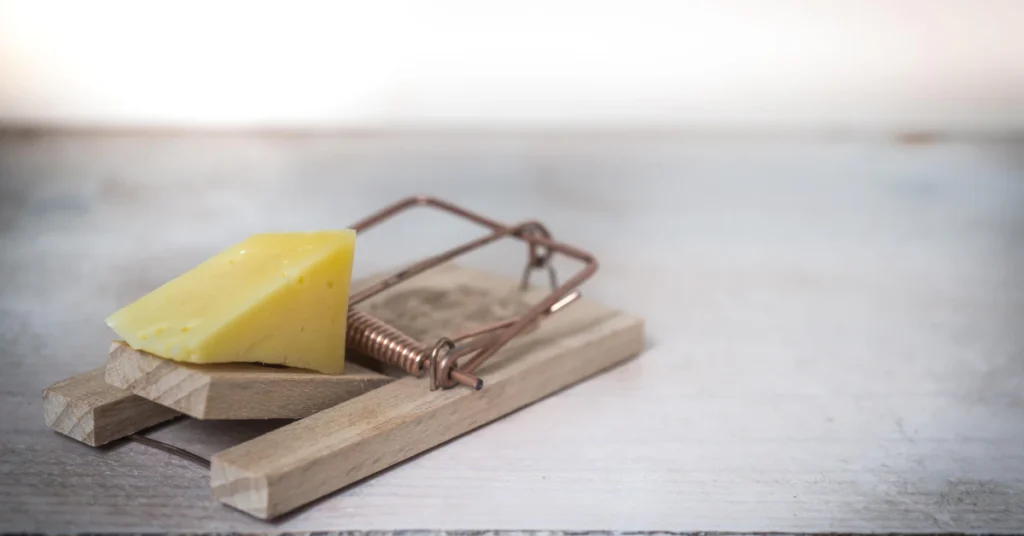
| Snap traps | Fast (results in 1-2 nights) | Low | Safe if placed out of pet reach | Moderate, you handle the rat |
| Electronic traps | Fast | Moderate | Safe, enclosed kill chamber | Low, no direct contact needed |
| Bait stations | Slower (days to a week) | Low to moderate | Safer than loose poison, but still needs a locked, tamper-resistant station | Low upfront, risk of smell later if a rat dies somewhere hidden |
| Professional service | Fast, handled for you | Highest | Safest overall, pros know placement | None, it’s done for you |
One method you won’t see recommended here is glue traps. They’re considered inhumane by many veterinary and welfare groups, and some US cities, including West Hollywood and Berkeley, have moved to restrict or ban their use.
So which one fits your situation? If you’ve spotted one or two rats indoors, start with snap traps or an electronic trap. If the problem is outdoors or more serious, a bait station in a locked housing gives you more firepower without leaving poison exposed. And if you’re finding droppings everywhere, hearing constant scratching, or you have small kids or pets you’re worried about, it’s worth calling a licensed pest control company instead of guessing.
How to Get Rid of Rats Inside: Walls, Attics, and Living Areas
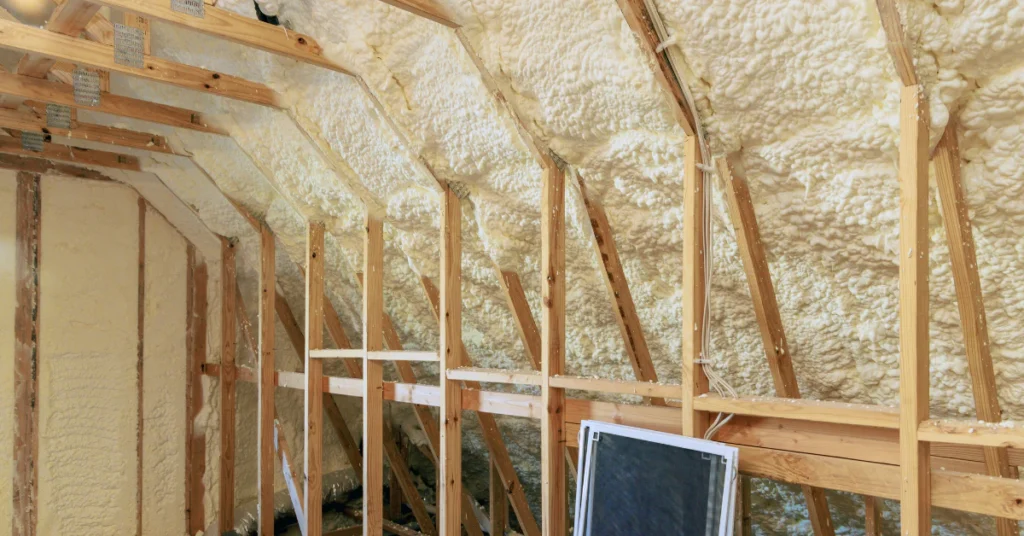
If rats are inside your house, your walls, or your attic, skip poison entirely. Stick to snap traps or electronic traps instead.
Here’s why. A lot of people believe rat poison makes rats thirsty, so they’ll go outside looking for water and die away from the house. That’s not how it actually works. Anticoagulant rodenticides don’t trigger that kind of thirst response. A poisoned rat just keeps going about its normal routine until it dies, wherever that happens to be. If its nest is inside a wall cavity or your attic, that’s exactly where it will die.
And that means a decaying rat you can’t see or reach, with a smell that can last for days and spread through your home. It’s a problem you want to avoid completely, not manage after the fact.
Traps let you control exactly where the rat ends up, which is why they’re the better call for anything indoors.
Where to place traps:
- Set traps flat against the wall, not out in the open. Rats travel along edges and baseboards, rarely across open floor space.
- In the attic, look for droppings, gnaw marks, or greasy smudge trails along the rafters or insulation. These are the runways rats use repeatedly, and that’s where your traps belong.
- Bait with peanut butter or tie on a small piece of nesting material like cotton, since rats are drawn to soft materials for their nests.
- Check traps daily. A rat left in a trap for too long in a hot attic will start to smell on its own.
- Wear gloves when removing a trapped rat, and double-bag it before disposal.
Work through the whole space methodically. One trap near a single hole won’t cut it if rats are running wall-to-wall.
How to Get Rid of Rats Outdoors: Yards and Burrows
Rats in the yard usually means burrows, and burrows need a different approach than anything you’d use inside the house.
One option is dry ice, but only a specific, EPA-registered version of it. The product goes by the name Rat Ice, made by Bell Laboratories, and it’s approved for use in outdoor burrows only. It works by releasing carbon dioxide gas as it melts, which sinks into the burrow and displaces the air the rats need to breathe.
This matters because grocery-store dry ice is not the same thing, and using it yourself for rat control is not legal. Cities including Boston and New York were actually ordered by the EPA to stop using unregistered dry ice for exactly this reason. If you want to try this method, look for the registered product and follow the label exactly.
Safety warning: Dry ice must never be used indoors or in any enclosed space. As it melts, it releases carbon dioxide gas that can displace breathable air and cause asphyxiation in people and pets. It should only be used outdoors, in open burrows, away from structures.
If you’d rather go the pesticide-free route, consider attracting natural predators instead. Barn owls are serious rat hunters. A single nest box can support owls that take down 800 to 1,200 rodents in a season, and farms have used this method for years as a cost-effective way to keep rodent numbers down without chemicals. Mounting a barn owl box in a quiet corner of your yard, away from heavy foot traffic, gives you a long-term, hands-off layer of defense.
Defending Your Flock: How to Get Rid of Rats in a Chicken Coop

If you keep chickens, you already know rats and coops go together like magnets. The feed, the scraps, the warm nesting spots: it’s everything a rat wants in one place.
Here’s a number that puts it in perspective. A single rat eats about 30 pounds of feed a year. And that’s just what it eats. What it contaminates with droppings and urine along the way is far worse, turning good feed into a health risk for your flock.
A lot of “rodent-proof” feeders aren’t as rat-proof as they claim. If rats are getting into yours, the fix isn’t a different feeder gimmick. It’s physically blocking their access to the coop itself.
This is where you need to think carefully about poison. If you use rodenticide anywhere near your coop, it has to go inside a tamper-resistant bait station that your hens cannot physically get into. This isn’t optional.
Safety warning: A hen eating rat poison directly, or eating a rat that’s been poisoned, is a serious secondary poisoning risk. It can also raise real food-safety concerns about the eggs that hen produces. Never leave loose bait anywhere a chicken can reach it, and never assume a coop is sealed enough without checking yourself.
The better long-term fix is exclusion. Swap out chicken wire for hardware cloth around the coop and run. Chicken wire has gaps rats can squeeze straight through. Hardware cloth, with its tighter mesh, actually keeps them out. Store feed in metal containers with secure lids, clean up spilled feed daily, and collect eggs often so there’s nothing extra drawing rats in.
How to Get Rid of Rats Permanently (The Exclusion Method)
Trapping and baiting handle the rats you already have. They do nothing to stop the next ones from moving in. If you want this to actually be permanent, you need to seal your home up.
The numbers here are worth paying attention to. According to research from the University of Nebraska-Lincoln, rats can squeeze through a gap as small as half an inch wide, about the size of a dime. They can also jump 36 inches straight up and 48 inches horizontally, which means a low wall or a small step up to a vent is no obstacle at all. And they don’t just look for existing gaps. Rats can gnaw straight through wood, vinyl, aluminum, and even low-grade concrete to make their own way in.
That’s a lot working against you, but it also tells you exactly what to check.
- Walk your foundation and look for any gap wider than half an inch. Check around pipes, vents, and utility lines especially closely, since these are common weak points.
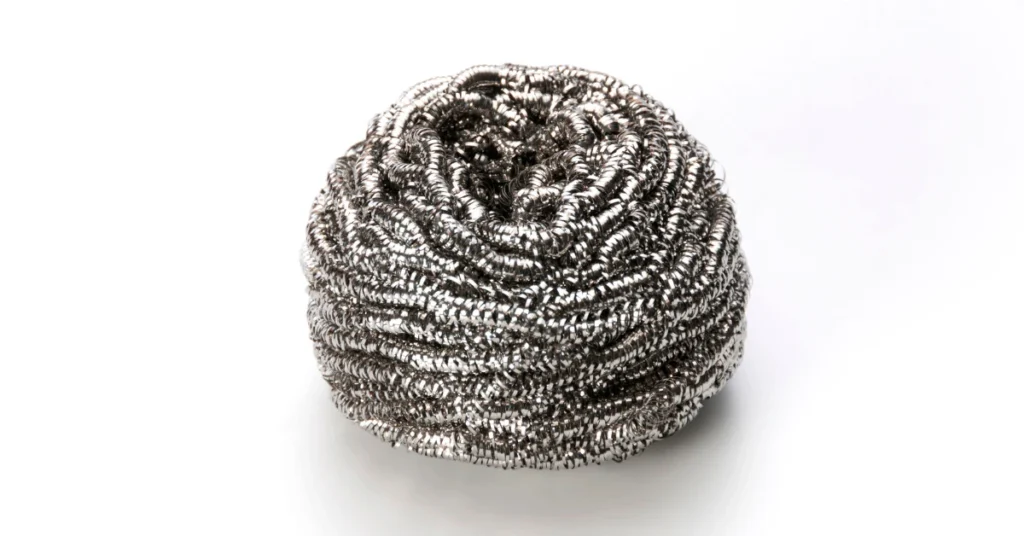
- Pack small gaps with steel wool. Rats can’t gnaw through it easily, and it holds its shape well in tight spaces.
- Cover larger openings with hardware cloth or metal flashing, not plastic or wood, since both of those are easy for rats to chew through.
- Check your roofline too. Rats are strong climbers and jumpers, so don’t assume height alone will keep them out.
- Re-inspect every few months, since gaps can open up again from weather, settling, or wear.
Exclusion takes more effort upfront than setting a trap. It’s also the only step on this list that actually stops the cycle for good.
The Aftermath: Safe Cleanup and Dead Rat Odors
Catching the rat is only half the job. What’s left behind can actually be more dangerous than the rat itself.
Rats can carry diseases like hantavirus, leptospirosis, and salmonellosis, and these spread through contact with their droppings, urine, or saliva. That’s why how you clean up matters just as much as cleaning up at all.
Safety warning: Never sweep or vacuum dry rat droppings or urine. Disturbing them this way can release hantavirus particles into the air, where you can breathe them in. This is the single most important rule in any rat cleanup.
Here’s the safer process instead, based on CDC guidance:
- Open windows and let the area air out for at least 30 minutes before you start.
- Put on gloves before touching anything.
- Spray the droppings and any urine spots thoroughly with a disinfectant or a bleach solution.
- Let it sit for several minutes so it has time to work.
- Wipe everything up with paper towels or a cloth, then dispose of them in a sealed bag.
- Wash your hands well once you’re done, even though you wore gloves.
If you’re dealing with a dead rat in a wall or attic that you can’t reach, the smell can last for days. In that case, it’s worth calling a professional rather than trying to cut into walls yourself.
Wasted Money: Debunking DIY Rat Control Myths
Before you spend another dollar, let’s clear up a few popular rat control methods that simply don’t hold up.
Ultrasonic plug-in repellers. These are everywhere online, but the research doesn’t back them up. Multiple universities, including Arizona, Cornell, and others, have tested these devices and found the same thing every time: rats keep living and breeding right next to them, completely unbothered. If you’ve already bought one and it’s not working, that’s not a placement problem. It’s the device.
The baking soda and sugar recipe. This one spreads fast online, with the idea that rats can’t burp or pass gas, so the baking soda reacts badly inside them. In reality, a rat would need to eat several grams in one sitting for this to have any real effect, and that’s not a realistic amount for a rat to consume at once. It’s also not a registered pesticide, which means there’s no required testing behind the claim. Treat it as a myth, not a method.
Peppermint oil. You’ll see a lot of confident claims about this one, but the actual evidence is thin and mostly anecdotal. Some people swear by it. The research doesn’t confirm it does much at all.
Safety warning: Scattering loose mothballs or ammonia around an attic or yard as a rat repellent is not a safe shortcut. This counts as pesticide misuse under federal law, and both substances are toxic to breathe in for people and pets, especially in an enclosed space like an attic.
Crucial Bait Safety for Homes with Pets and Children
If you have kids or pets in the house, how you use rat bait matters as much as whether it works.
The EPA has specific rules in place to protect your family. Consumer rat poisons are legally required to be sold in tamper-resistant bait stations, designed so kids and pets can’t get inside them. The EPA also prohibits selling second-generation anticoagulants, which are the most potent and dangerous type, directly to consumers. Those stronger products are limited to licensed professionals because of how harmful they can be to pets and wildlife.
Even with a tamper-resistant station, there’s another risk to know about: secondary poisoning. This happens when a dog or cat eats a rat that’s already been poisoned, and ends up poisoned themselves just from that one meal.
Safety warning: If your pet eats rat bait directly, or eats a rodent that may have been poisoned, call your veterinarian or the ASPCA Animal Poison Control Center right away. Don’t wait to see if symptoms show up, and don’t try to treat it at home. Quick action here makes a real difference.
When you do use bait, always place the station somewhere pets and children genuinely cannot reach, not just somewhere you think they won’t notice. Learn more about rodenticide regulations directly from the EPA.
Frequently Asked Questions
What gets rid of rats the fastest?
Snap traps give the fastest results, often within a night or two. Place them along walls and runways, baited with peanut butter or nesting material, for the quickest confirmed removal.
What smell do rats absolutely hate?
Peppermint oil is the most commonly claimed scent deterrent, but the evidence is anecdotal, not proven. No scent has been shown to cure an existing infestation on its own.
How can I permanently get rid of rats?
Seal every gap half an inch or wider using steel wool, hardware cloth, or metal flashing. Exclusion stops new rats from replacing the ones you remove, making it the only truly permanent fix.
What human foods are poisonous to rats?
The data here is contested, so avoid feeding rats human food in general. Onion and green or raw potato skins are the most consistently flagged items worth keeping away from them.
What is a rat’s biggest enemy?
Barn owls are a rat’s biggest natural predator. A single owl nest box can support birds that take down 800 to 1,200 rodents in one season.
What is highly poisonous to rats?
EPA-registered anticoagulant rodenticide baits are the standard option. These should always be used inside a tamper-resistant bait station, never as loose bait.
What is the most powerful rat killer available?
First-generation anticoagulant baits in tamper-resistant stations are the strongest option sold to consumers. Second-generation anticoagulants are far more potent but restricted to licensed professionals under EPA rules.
Where do rats go after eating poison?
Most die inside the home, in walls, attics, or crawl spaces. The idea that poison makes them thirsty and sends them outside to die is a myth.
What household items are poisonous to rats?
Skip unproven household hacks like baking soda recipes or loose mothballs, since neither is a registered, effective method and both carry their own safety risks. Stick to EPA-registered bait products instead.
Conclusion
Getting rid of rats comes down to three things working together: trapping what’s already inside, sealing the gaps they’re using to get in, and cleaning up safely once it’s done. Skip any one of these and the problem tends to come right back.
Start with what’s fastest for your situation, but don’t stop there. The traps and bait handle today’s rats. Exclusion is what keeps new ones from showing up next season. And if the infestation feels bigger than you can manage safely, especially with pets or kids in the house, calling a licensed pest control professional is a smart move, not a failure.