Wave your hand near the swarm. What happens next tells you exactly what you’re dealing with.
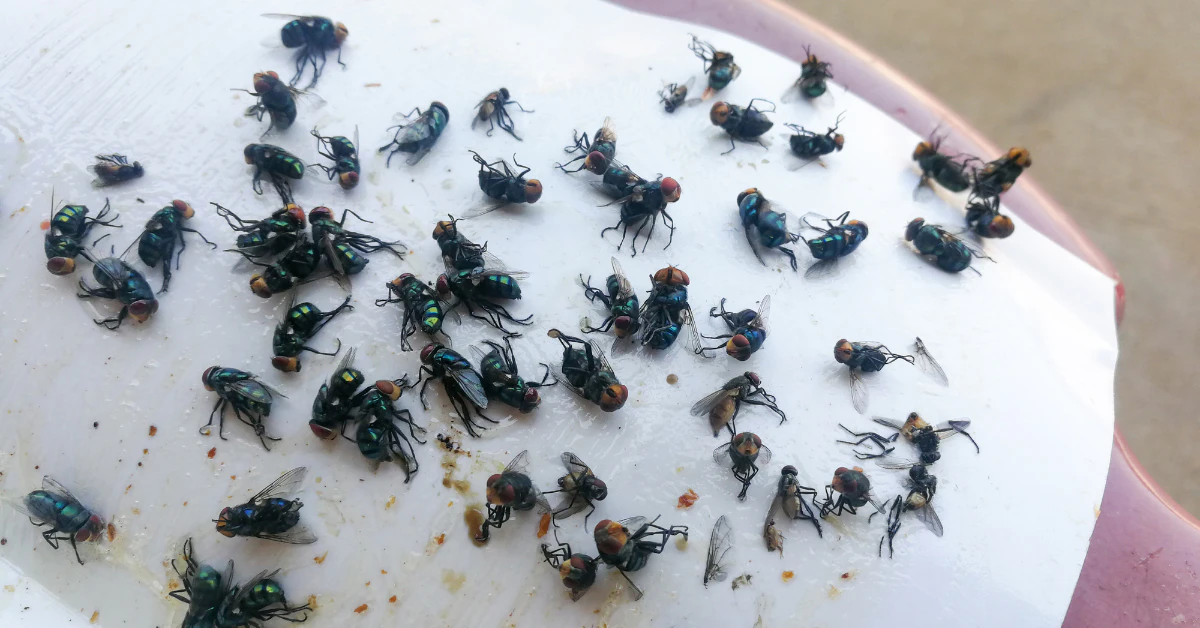
Fast, darting, and gone in a blink? Those are fruit flies. They have smooth, shiny tan or brown bodies and bright red eyes you can spot up close.
Slow and fluttering, like they’re struggling to fly at all? Those are drain flies. They’re fuzzy and gray, and they move more like a moth than a fly.
This matters because the fix is different for each one. Treating the wrong pest wastes your time.
If it’s fruit flies, here’s the fast version:
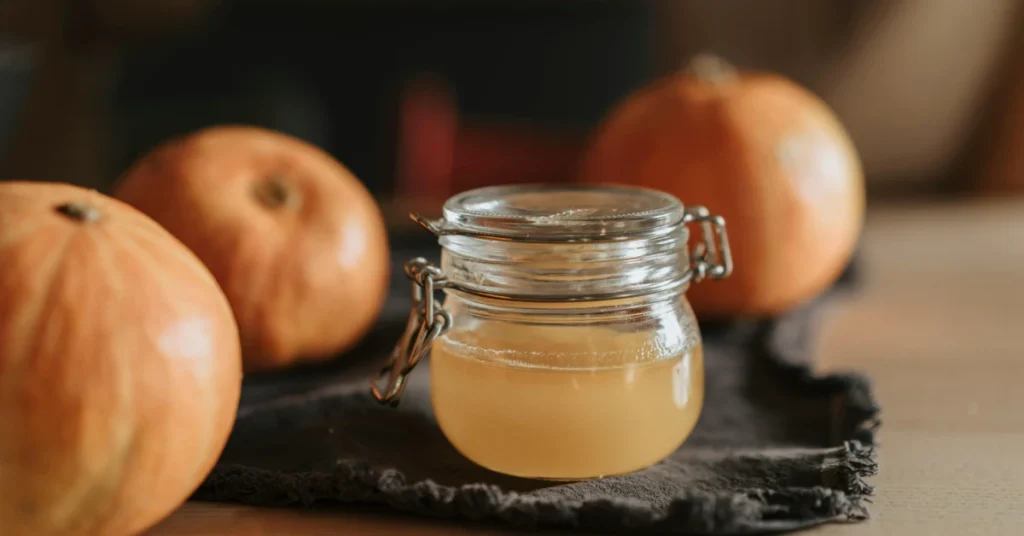
- Pour a small amount of apple cider vinegar into a bowl or jar.
- Add 2 to 3 drops of Dawn dish soap. Don’t stir.
- Leave it uncovered where you’ve seen the flies.
That setup takes about 2 minutes. But don’t expect an empty kitchen right away. Most traps need 12 to 48 hours to clear a swarm, since flies have to find and land in it.
One thing to understand: Dawn doesn’t attract fruit flies or poison them. It’s a surfactant. It breaks the surface tension of the vinegar, so flies that land sink and drown instead of flying back off.
The Best DIY Traps (And How They Compare)
Not every trap works the same way. Here’s how the three most common DIY options stack up.
| Trap Method | Speed | Effort | Pet Safety |
| ACV + Dish Soap (open bowl) | Fast (12-24 hrs) | Low | Riskier if left open near pets |
| Paper Cone in a Jar | Medium (24-48 hrs) | Medium | Safer, flies trapped inside |
| Plastic Wrap with Holes | Medium (24-48 hrs) | Low | Safer, covered surface |
All three use the same bait. The difference is how hard it is for flies to escape once they land.
How to Build the Basic ACV + Soap Trap
- Pour about a half cup of apple cider vinegar into a small jar or bowl.
- Add 2 to 3 drops of Dawn dish soap. Don’t stir it in.
- Leave the jar uncovered, right where you’ve seen the most flies.
- Check it in 12 to 24 hours. You should see flies trapped on the surface.
Remember, the soap doesn’t lure the flies in. The vinegar does that on its own by mimicking fermenting fruit. The soap’s only job is to break the surface tension of the liquid, so once a fly lands, it sinks instead of flying back off.
How to Build the Paper Cone Trap
- Fill a jar about a third of the way with apple cider vinegar.
- Roll a piece of paper into a cone shape, leaving a small opening at the narrow end.
- Set the cone into the jar, point-down, so the small opening sits just above the vinegar.
- Tape the wide end of the cone to the jar’s rim to hold it in place.
Flies can find their way in through the small opening, but they rarely find their way back out.
How to Build the Plastic Wrap Trap
- Fill a jar or bowl with apple cider vinegar.
- Stretch plastic wrap tightly over the top and secure it with a rubber band.
- Poke several small holes in the wrap with a toothpick.
- Set it near the fruit bowl, sink, or trash can.
This version keeps the trap fully covered, which makes it a good pick if you want the liquid out of sight and out of reach.
Safety note: Whichever trap you choose, keep it away from toddlers and pets. An uncovered bowl of soapy vinegar can tip over, and pets may try to drink from it. Never place a trap near a pet’s food or water bowl. It can lead to accidental ingestion or cross-contamination, and it may also confuse your pet about which bowl is theirs.
How to Get Rid of Fruit Flies Without Apple Cider Vinegar
No apple cider vinegar in the pantry? You don’t need to run to the store.
Fruit flies aren’t actually loyal to ACV. What draws them in is the smell of fermentation, and a few other things you probably already have will do the same job.
Try any of these instead:
- Red wine. An open bottle, or the last bit left in a glass, works just as well as vinegar.
- Beer. Flat or fresh, the smell still pulls them in.
- Overripe banana. Mash a small piece with a splash of water to release the scent.
Pour whichever one you have into a small bowl or jar, the same way you would with vinegar. Then add 2 to 3 drops of Dawn dish soap and leave it uncovered.
Don’t skip the soap. The wine, beer, or banana is just the bait. It’s the dish soap that does the actual work, breaking the surface tension of the liquid so flies sink once they land instead of flying off again.
If you want to boost your odds, you can set out two or three of these at once, using different bait in each. It won’t hurt, and it covers your bases if the flies in your kitchen have a preference.
Give it the same 12 to 24 hours you’d give a vinegar trap before checking results.
Sink & Drain Treatment (And The Chemical Warning)
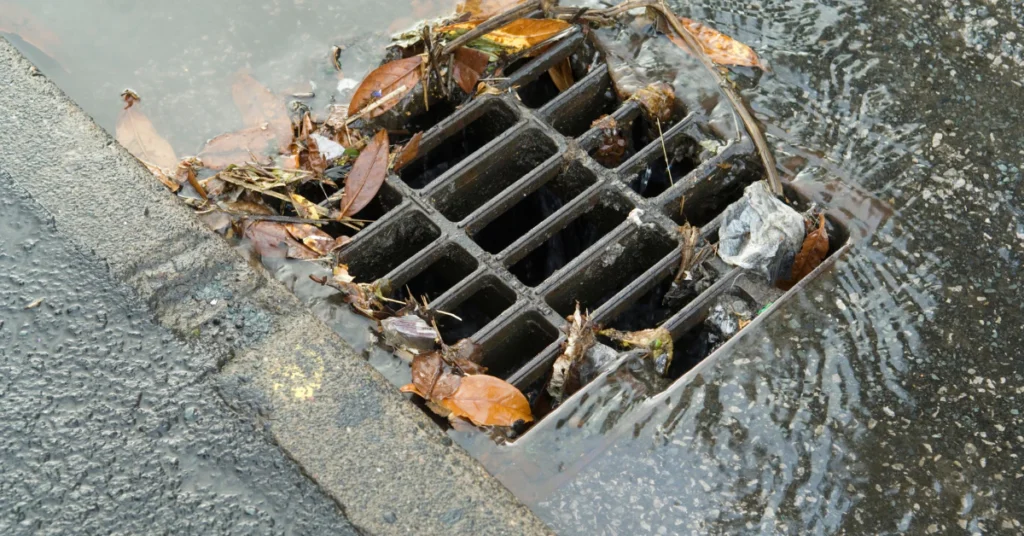
Your kitchen sink is one of the most common hiding spots for these pests, but it’s worth figuring out which fly is actually living there.
Drain flies breed inside the slimy buildup, called biofilm, that coats the inside of your pipes. Fruit flies aren’t breeding in that slime. They’re drawn to moisture and leftover food residue near the drain, not the sludge itself. That’s why a vinegar trap can catch fruit flies hovering near your sink, but it won’t do anything for drain flies living inside the pipe.
Here’s how to clean the drain and remove what’s attracting both:
- Pour a half cup of baking soda down the drain.
- Follow it with a half cup of vinegar.
- Let it fizz and sit for 10 to 15 minutes.
- Flush with boiling water.
Caution: If your home has PVC pipe joints, skip the boiling water step. Boiling water can soften or warp PVC fittings over time. Use hot tap water instead.
Safety warning: Never mix the vinegar from this drain treatment, or any leftover trap liquid, with bleach or hydrogen peroxide. Combining vinegar with bleach releases toxic gas. This applies even if you’re just trying to “clean more thoroughly” by pouring bleach down the same drain afterward. Pick one method and stick with it. Rinse the drain fully with plain water before using a different cleaner in it.
If you’ve run the baking soda and vinegar treatment and you’re still seeing flies that look fuzzy and gray, and they’re clustered right at the drain opening, that’s a sign you’re dealing with drain flies, not fruit flies. In that case, a stronger gel-based drain cleaner made to break down biofilm is the better fix, not another vinegar trap.
Trash, Produce, and the Kitchen Compost Bin
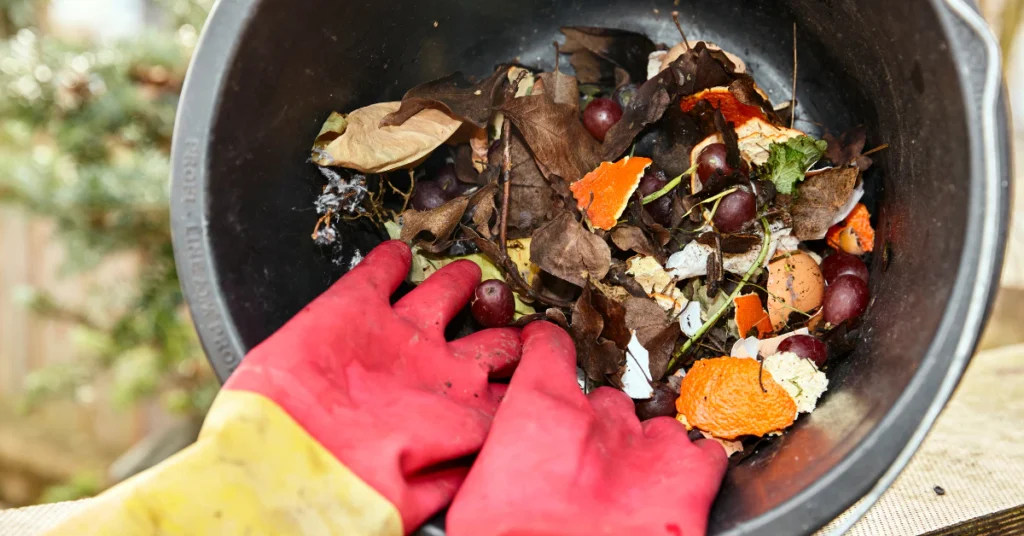
You can set every trap in the book, but if these three spots still have food in them, you’re just catching today’s flies while tomorrow’s batch is already hatching.
The Compost Bin
This is the breeding ground most guides skip, and it’s often the real source of the problem. If you keep a countertop compost bin, fruit flies will lay eggs directly in the scraps.
- Empty the bin every day, not every few days.
- Rinse it out with soap and water after each empty.
- Let it air dry completely before adding new scraps.
A damp bin with leftover residue is just as attractive to flies as the scraps themselves.
Fermenting Produce
Fruit flies breed on fermenting produce and sugary residue. That means it’s not just the banana with brown spots you need to watch. Check for:
- Fruit that’s gone soft or started to leak juice
- Onions or potatoes that have gone soft and are breaking down
- Sticky spots on the counter from spilled juice, soda, or syrup
Toss anything that’s past its prime, and wipe down the counter underneath it.
The Trash Can
A clean kitchen with a dirty trash can is still an open invitation. Residue stuck to the bottom of the can, even after you’ve taken the bag out, can keep flies coming back.
- Take the bag out and check the bottom of the can for spills or sticky film.
- Wash the inside with soap and water.
- Let it dry fully before putting in a new bag.
Here’s why this step matters so much. A female fruit fly can lay up to 500 eggs over her lifetime, and that cycle restarts every time a new batch of adults finds food to breed on. Traps only catch the flies already in the air. They do nothing for the eggs already sitting in your compost bin or trash can.
The Kitchen-and-Bathroom Crossover
If you’ve only been treating the kitchen and the flies keep showing up, check your bathroom. It’s not as strange as it sounds.
Fruit flies don’t need actual fruit to survive. They need moisture and something to feed on, and bathrooms often have both. A damp shower drain, a trash can with used wipes, or sweet-smelling soaps and lotions can all be enough to keep them interested.
That also means flies can travel freely between the two rooms. Treating the kitchen alone while ignoring the bathroom just gives them a place to retreat to and come right back from.
Here’s how to treat both rooms at once:
- Set up a trap in the bathroom the same way you did in the kitchen: a small bowl with your bait of choice and a drop of dish soap.
- Empty the bathroom trash can and rinse it out, especially if it’s been holding damp wipes or tissues.
- Run the baking soda and vinegar treatment through the bathroom sink and shower drains too, using the same steps from the kitchen drain section.
- Wipe down any counter spots where soap, toothpaste, or lotion residue has built up.
You don’t need different ingredients or a different method for the bathroom. You just need to stop treating it as a separate problem. If flies have access to both rooms, both rooms need to be cleaned and trapped at the same time, or you’ll just be chasing them back and forth.
Natural Repellents & The Pet Safety Warning

Trapping flies works, but keeping new ones from showing up in the first place is its own kind of win. Scent-based repellents can help with that.
Peppermint oil is the most commonly recommended scent for keeping fruit flies away. A few drops on a cotton ball or wick placed near problem areas can repel flies for up to about 6 days before it needs refreshing.
That sounds like a simple, natural fix, and in many homes it is. But “natural” doesn’t automatically mean safe for everyone living in your house.
Pet safety warning: If you have a cat, do not diffuse or apply essential oils like tea tree, citrus (d-limonene), or pennyroyal anywhere in your home. These are neurotoxic to cats, even at the low concentrations used in typical home remedies. This includes oils added to sprays, wicks, or surfaces your cat might walk across or groom off their fur.
This warning matters more than it might seem. A lot of “natural” pest advice treats essential oils as a harmless alternative to chemical sprays, but for cat owners, some of these oils carry real risk.
If you have a cat, skip the essential oil route entirely and stick with the apple cider vinegar trap instead. It’s just as effective at catching flies, and it doesn’t carry the same risk.
If you don’t have a cat, peppermint oil on a cotton ball near your fruit bowl or sink is a reasonable natural deterrent to use alongside your traps, not instead of them.
Why Traps Seem to “Fail” (Biology & Troubleshooting)
A lot of people give up on their trap right when it’s actually starting to work. Here’s why.
You set out a trap. A day later, there are dozens of dead flies floating in it. Your first thought is probably, “This is worse than before. It’s just attracting more flies.”
It isn’t. It’s doing exactly what it’s supposed to do.
A single female fruit fly can lay up to 500 eggs over her lifetime. Those eggs hatch in as little as 12 to 30 hours in a warm kitchen, and the whole cycle from egg to breeding adult takes only 8 to 10 days. That means the flies showing up in your trap aren’t new arrivals. They’re adults that already existed in your home, and your trap is finally catching up with them.
A trap filling up fast is a sign of a bigger starting population, not a trap that’s making things worse. The flies were always there. You just couldn’t see most of them until they started landing in the bowl.
What to do:
- Keep the trap going. Don’t dump it out and give up after one day.
- Replace the liquid every 2 to 3 days, since old bait loses its smell and effectiveness.
- Expect the numbers to drop steadily over about a week, not overnight.
If you’re also removing breeding sites from the kitchen, you should see noticeably fewer flies with each new batch of bait.
Frequently Asked Questions
What kills the most fruit flies in the house?
A classic apple cider vinegar and dish soap trap is the most reliable method. Set one up in every room where you’ve seen flies for the best results.
Why are there suddenly so many fruit flies in my kitchen?
Their life cycle moves fast. A female can lay up to 500 eggs, and those eggs can grow into breeding adults in as little as 8 to 10 days. A few flies can turn into a swarm within a week or two.
What smell do fruit flies hate most?
Peppermint is the most commonly recommended scent for keeping them away, with effects lasting up to about 6 days. It works as a deterrent, not a fix on its own.
Does Dawn kill fruit flies?
Yes, but not on its own. Dawn doesn’t attract or poison flies. It’s a surfactant that breaks the surface tension of your trap’s liquid, so flies that land sink and drown.
What kills fruit flies immediately?
Nothing clears a whole swarm instantly without a chemical spray, which isn’t necessary for a typical kitchen problem. A vinegar and soap trap starts working right away, but noticeable results usually take 12 to 24 hours.
How do I get rid of fruit flies in 2 minutes?
Setting up the trap takes about 2 minutes. Clearing the flies takes longer, usually 12 to 48 hours, since it depends on how fast they find and land in it.
How do I get rid of a severe fruit fly infestation?
Clean out every possible breeding site at once: trash, compost, drains, and any fermenting produce. Set multiple traps and replace the liquid every 2 to 3 days. If flies are still a problem after one to two weeks, it may be time to call a pest control professional.
Are fruit flies bad this year, 2026?
In some regions, yes. Warmer, more humid weather in parts of the US and UK stretched the typical breeding season longer than usual in 2026. This is based on regional reporting, not a confirmed nationwide statistic, so results will vary depending on where you live.