
You can’t erase sleepiness in one minute, but you can fight it fast. Layer four things at once: bright light, 1 to 2 minutes of brisk movement, caffeine (staying under 400mg a day), and a nap of 20 minutes or less if you have the time. Together, these four give you the fastest real relief.
The 60-Second Emergency Reset
No trick makes tiredness disappear instantly. But this four-step sequence buys you real time while your body catches up.
- Stand up and move. Walk, march in place, or do a few jumping jacks for 1 to 2 minutes. This gets your heart rate up fast.
- Splash cold water on your face and wrists. This isn’t a proven medical fix. It’s a sensory jolt that wakes you up for a few minutes while you wait for step four to kick in.
- Get into bright light. Stand near a window or under strong overhead lights. Light tells your brain it’s time to be alert.
- Drink caffeine now. It takes about 20 minutes to reach your bloodstream, so the sooner you sip it, the sooner it starts working, right as your cold-water jolt fades.
Smart Caffeine Dosing (And the 5-Hour Half-Life Cutoff Rule)
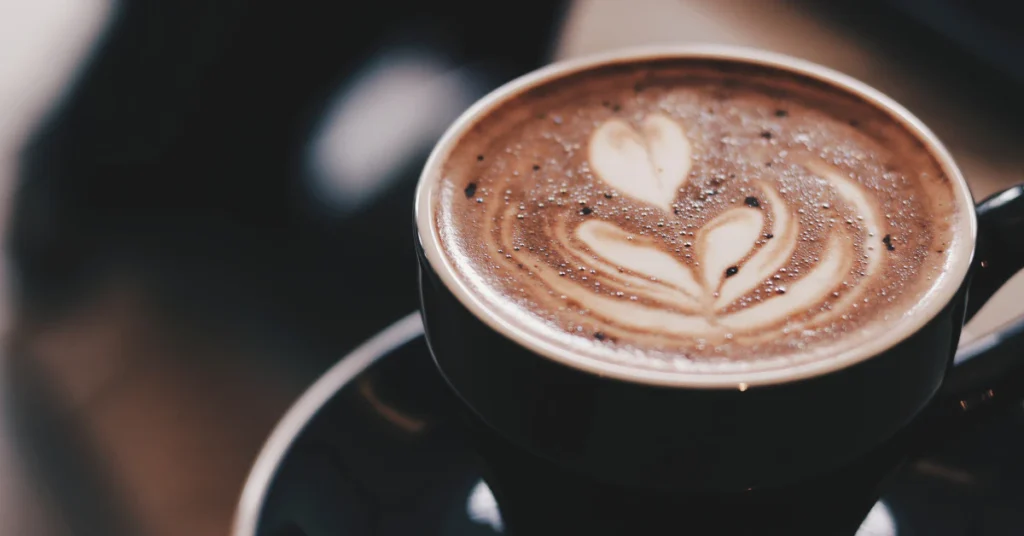
Gulping cup after cup doesn’t work the way you’d hope. Your brain has receptors that soak up caffeine, and once they’re full, more coffee just adds jitters and stomach trouble instead of more focus. The smarter move is knowing your numbers and timing your cutoff.
Know your numbers
Different drinks pack very different amounts of caffeine. Here’s a quick guide:
- 8oz coffee: 80–100mg
- 8oz tea: 30–50mg
- 12oz soda: 30–40mg
- Energy drink: 40–250mg per 8oz
The FDA says healthy adults should stay under 400mg a day, which works out to about 4 or 5 cups of coffee. Energy drinks can blow past that limit fast, since some pack more caffeine per ounce than coffee does.
The half-life cutoff calculator
Caffeine doesn’t just vanish once it kicks in. On average, it takes about 5 hours for your body to clear half of what you drank, though this ranges from 1.5 to 10 hours depending on the person.
Here’s what that looks like in real life. Say you drink a strong coffee with 200mg of caffeine at 3:00 p.m. By 8:00 p.m., roughly 100mg is still active in your system. That’s often enough to make falling asleep harder, even if you don’t feel “wired.”
Knowing your own cutoff time, and working backward from when you need to sleep, helps you use caffeine without wrecking your night.
A safety note: Don’t go over the FDA’s 400mg/day limit. If you’re pregnant, have a heart condition, or take any prescription medication, talk to your doctor before increasing your caffeine intake. These situations can change how caffeine affects your body.
The “Coffee Nap” & NASA Power Nap Protocols

A lot of tired people avoid napping altogether. They worry they’ll wake up feeling even worse. That fear is fair, but it’s usually about timing, not napping itself.
Why bad naps backfire
When you nap longer than 20 to 30 minutes, your brain slides into deep, slow-wave sleep. Waking up from that stage causes sleep inertia, that heavy, foggy feeling that makes you want to lie back down. Short naps avoid this problem entirely.
The NASA 26-minute standard
NASA studied this back in 1995 using pilots. Those who took a 26-minute nap saw alertness jump by up to 54% and job performance improve by 34%, compared to pilots who skipped the nap. The key was keeping it short enough to avoid deep sleep.
The coffee nap protocol
Here’s how to combine caffeine and a nap for an even bigger boost:
- Drink a cup of coffee (about 80 to 100mg of caffeine) quickly. Iced or cooled coffee works well since you can drink it fast.
- Immediately set an alarm for 20 minutes or less and lie down.
- Let yourself wake up naturally near that alarm, right as the caffeine finishes absorbing.
This combo works better than either tactic alone. Your short nap clears out adenosine, the brain chemical that builds up and makes you feel sleepy. At the same time, caffeine takes about 20 minutes to enter your bloodstream. Time it right, and the caffeine kicks in just as your nap ends, giving you a much stronger wake-up than coffee or napping could offer on their own.
How to Stay Awake Without Caffeine (Exercise, Light & Scent Science)
Skipping caffeine doesn’t mean you’re stuck with sleepiness. Some stimulant-free options work surprisingly well, and one of them might sound backwards at first.
10 minutes of stairs beats a can of soda
A University of Georgia study, reported by Harvard Health, found something unexpected. Sleep-deprived young women who climbed stairs for just 10 minutes reported more energy than those who took 50mg of caffeine, about the same amount in a 12oz can of soda. The catch is that the energy boost from walking fades fairly fast. The fix is simple: take several short walks through the day instead of one long one.
Peppermint and cinnamon for alertness
Your nose can help too. A driving-simulation study at Wheeling Jesuit University found that peppermint and cinnamon smells measurably raised alertness and lowered fatigue ratings in drivers. A more recent study from November 2025 backed this up, showing these scents can sharpen focus in real driving conditions. Try keeping a tissue with a drop of essential oil nearby, or use a diffuser, so you can breathe it in without touching your skin.
Essential oil safety warning
Never apply essential oils undiluted, or “neat,” directly to your skin. Always mix a small amount with a carrier oil first. Before using any oil on your skin for the first time, do a patch test: dab a diluted drop on a small area and wait 24 to 48 hours to check for a reaction. Citrus oils need extra caution, since they can cause photosensitivity, meaning your skin may react badly to sunlight after contact with the oil.
Bright light does the rest
Light plays a big role in keeping you awake naturally. Step outside for natural daylight, or sit under bright overhead lights if you’re stuck indoors. Light exposure works by holding back melatonin, the hormone that makes you feel sleepy, so the brighter your space, the more alert your brain stays.
How to Stay Awake While Driving (And Dangerous Myths to Ignore)
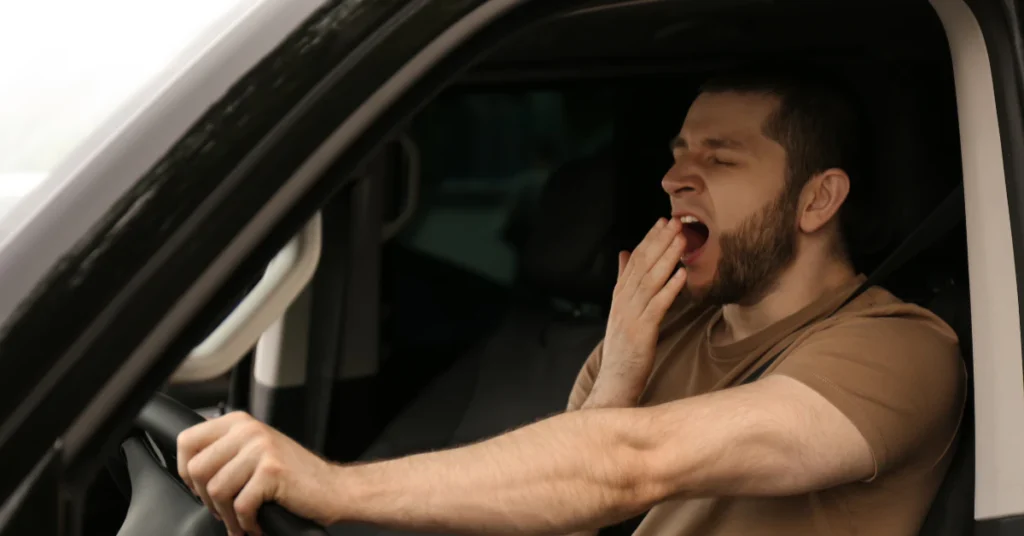
Safety warning: If your eyes are closing, your head is nodding, or you feel a microsleep coming on, pull over immediately. Find a safe, well-lit spot and stop the car. No tip in this section replaces that. Coffee, scents, and fresh air are backup tools, not substitutes for stopping.
The real risk, by the numbers
Drowsy driving isn’t a small problem. According to the GHSA’s “Wake Up Call 2026 Update,” 633 people died in drowsy-driving crashes in the US in 2023 alone. At any given moment, about 1.57% of all driving time nationwide involves someone behind the wheel who is drowsy. That’s a lot of tired drivers sharing the road with you.
Sleep loss works like alcohol
Here’s a fact that should make anyone think twice before driving tired. Research by Williamson and Feyer (2000) found that staying awake for 17 to 19 hours impairs your reaction time about as much as a 0.05% blood alcohol level. Push that to around 24 hours awake, and your impairment matches a 0.10% BAC, which is above the legal driving limit in every US state. In other words, driving exhausted can put you in the same danger zone as driving drunk, even without a single drink.
Myths that don’t hold up
Two popular tricks simply don’t work the way people think. Rolling down the window for cold air and blasting loud music both feel like they should help. But according to UpToDate, cited by the Sleep Foundation, controlled research doesn’t back up either one as an effective way to prevent drowsy driving crashes. They might feel refreshing for a moment, but they won’t keep you safe if your body truly needs sleep.
What actually works on the road
If you’re getting sleepy on a drive, here’s what to do instead:
- Pull into a lit rest stop and take a 20-minute coffee nap.
- Switch drivers if someone else in the car can take over.
- Keep a peppermint or cinnamon scent in the car as a secondary alertness boost, not your main plan.
None of these replace real sleep. But they give you safer options than pushing through on willpower alone.
How to Stay Awake in Class or at Your Work Desk
You can’t stretch out for a nap during a lecture or a meeting. These settings need tactics that work while you’re sitting up and paying attention.
Surviving class without nodding off
Try these moves during long lectures:
- Sit near a window or under bright front lighting instead of in a dim back corner.
- Take active notes by hand instead of just listening. Moving your hand keeps your brain more engaged.
- Stand and stretch between classes, even for 30 seconds, to reset your energy.
The two nights before study rule
If you have to pull a late study session, timing matters more than you’d think. Study hard two nights before your exam, not the night right before it. This way, you still get a full night of sleep before test day. Walking into an exam well rested helps your brain recall what you studied, while walking in sleep-deprived works against you.
Beating the 3:00 p.m. office slump
Desk workers face a different kind of fatigue, but the fixes are just as doable.
- Take a short walk or climb stairs for 5 to 10 minutes every 25 to 30 minutes. Refilling your water bottle is a good excuse to get moving.
- Keep your workspace cool. A stuffy, warm room makes sleepiness worse.
- Skip sugary snacks and heavy carb lunches. These cause a blood sugar spike followed by a crash, which leaves you feeling even more tired an hour later.
- Choose light, protein-based snacks instead, and keep sipping water through the afternoon.
Small, steady habits like these keep you alert without needing to leave your desk or classroom seat.
How to Stay Awake During a Night Shift (The CDC/NIOSH Light Protocol)

Night shifts fight your body’s natural rhythm. Between 2:00 a.m. and 5:00 a.m., your brain hits a deep circadian dip, making this stretch the hardest part of any graveyard shift. Getting through it takes more than chugging coffee all night, since that approach just leaves you wired and unable to sleep once you finally get home.
CDC and NIOSH guidance for shift workers breaks the strategy into two clear halves.
First half of your shift
Flood your workspace with bright light. This is when your body needs the strongest wake-up signal. Pair that light exposure with a well-timed caffeine dose to push through the early part of the shift, when the circadian dip hits hardest.
Second half of your shift
Start cutting back. Reduce your caffeine intake, keeping the 5-hour half-life rule in mind so it doesn’t linger into your sleep window. Where it’s safe to do so, dim overhead lights and screens. This gives your body a chance to start raising melatonin again, preparing you for sleep once you clock out.
The commute home
This step matters more than most people realize. CDC and NIOSH guidance recommends wearing dark sunglasses on your way home to block morning sunlight. Bright morning light can trick your brain into thinking it’s time to be awake, making it much harder to fall asleep once you’re home.
One important caveat: only wear sunglasses on the commute if someone else is driving, or if you’re riding public transit. Never wear them while driving yourself home tired, since they can reduce your visibility at a time when your alertness is already low.
How to Stay Awake All Night (24-Hour Survival & Next-Day Recovery)
Before anything else, let’s clear up a myth that circulates constantly on forums. Some people believe an all-nighter can “reset” a messed-up sleep schedule. That’s simply not true. The Sleep Foundation points out that skipping a night of sleep doesn’t fix anything. It just builds up sleep debt and triggers REM rebound, where your body pushes harder into REM sleep afterward to make up for what it missed. The result is a schedule that’s often harder to stabilize, not easier.
Getting through the night
If you truly must stay up all night, here’s a workable game plan:
- Keep the room cool and the lights bright. Warmth and dim lighting both invite sleep.
- Take a short movement break every 30 minutes, even if it’s just standing up and stretching.
- Space out caffeine instead of dumping it all at once. Try 50 to 100mg every 3 to 4 hours rather than 300mg at midnight, and stay under the FDA’s 400mg daily ceiling.
- Keep snacks light. Heavy meals make you sleepier, not more alert.
The morning after
Once you hit the 24-hour mark, your brain is working under real impairment. At that point, your reaction time and judgment are similar to someone with a 0.10% blood alcohol level. That means driving or doing anything high-risk is off the table until you’ve had real sleep.
To get through the day:
- Get outside for morning sunlight as soon as you can. It helps signal your body that it’s daytime.
- Take one nap in the early afternoon, but keep it to 20 minutes. A long crash nap in the middle of the day can leave you groggier and mess up your sleep that night.
- Go to bed 1 to 2 hours earlier than usual that evening. This helps you pay back sleep debt gradually instead of trying to sleep it all off in one long stretch.
When to See a Doctor About Constant Daytime Sleepiness
There’s a real difference between being tired after one late night and feeling exhausted every single day, even after 7 to 9 hours in bed. If you fall into the second group, none of the tactics in this article are meant to fix that. They’re short-term tools, not treatments for an underlying problem.
Watch for these warning signs:
- Waking up gasping for air or snoring loudly, which can point to sleep apnea
- Needing multiple naps a day despite getting enough hours of sleep at night
- Nodding off without meaning to during conversations, meals, or other normal activities
If any of this sounds familiar, it’s time to talk to a doctor. Persistent daytime sleepiness can signal conditions like sleep apnea, insomnia, or narcolepsy. These need proper diagnosis and care, not another cup of coffee.
Frequently Asked Questions About Staying Awake
How to keep yourself awake at night?
Combine bright light, a moderate caffeine dose, movement breaks every 25 to 30 minutes, and a cool room. Skip heavy meals, since they make sleepiness worse.
How to stay awake when tired?
Try a coffee nap: drink caffeine right before a nap of 20 minutes or less. A brisk 10-minute walk also works, outperforming 50mg of caffeine in one study.
How to stay awake in class?
Sit near a window, sip water, and stretch between classes. If you must study late, do it two nights before the exam, not the night right before.
How to stay awake instantly?
Stand and move for 1 to 2 minutes, splash cold water on your face and wrists, get into bright light, and sip caffeine so it kicks in 20 minutes later.
How to stay awake for 24 hours?
Use bright light, spaced caffeine under the FDA’s 400mg/day limit, and a 20-minute nap. At 24 hours awake, you’re impaired like a 0.10% BAC, so never drive.
How to stop feeling sleepy immediately?
A brisk walk, bright light, and cold water on your face give the fastest lift. A coffee nap works best if you have a 20-minute window.
How to stay awake Reddit?
Spacing out caffeine and taking short walks get the most support. Skip folk remedies like loud music or cold air while driving, since research doesn’t back these up.
How to stay awake at night to study?
Work under bright light, take breaks every 25 to 30 minutes, stay hydrated, and snack on protein instead of sugar or heavy carbs.
How do I force myself to stay awake?
You can’t fully override your brain’s sleep drive. Layer light, movement, and caffeine, but expect reaction time to drop past 17 to 24 hours awake.
How do you fight sleepiness?
Stack several small triggers at once, like light, a short walk, cooler air, and timed caffeine. Relying on just one tactic fades fast.
How to remove sleepiness in 1 minute?
No verified method removes sleepiness in 60 seconds. Standing up and splashing cold water only give a brief, temporary bump.
How to stay awake for an all-nighter?
Space caffeine under 400mg total, keep lights bright, nap for 20 minutes if you can, and snack lightly. Expect next-day impairment similar to moderate alcohol use.
Staying Awake Is a Short-Term Fix, Not a Lifestyle
Every tactic in this guide, from cold water splashes to coffee naps to CDC light protocols, is built to get you through a rough patch, not to replace real sleep. Use them when you truly need to push through a late study session, a long shift, or an unavoidable all-nighter. But if you find yourself reaching for these tricks night after night, that’s your body asking for something more than a quick fix. Listen to it, protect your sleep when you can, and save these tools for the nights you genuinely need them.