Clear acne by washing your face gently twice a day, using a proven active ingredient like benzoyl peroxide or salicylic acid, moisturizing to protect your skin barrier, and wearing sunscreen daily. Stick with this routine every day for the best results.
Acne is stubborn, and that’s not in your head. A pimple might shrink in a day with the right spot treatment, but clearing your skin for good works differently. Most dermatologist-backed treatments need 6 to 12 weeks of steady use before you see real change, and your skin can even look worse before it gets better. That’s normal, not a sign something’s wrong.
This guide walks through what actually works, what’s a myth, and how to handle acne wherever it shows up, from your forehead to your back.
What is Acne & Who Gets It?
Acne happens when your pores get clogged. Oil, dead skin cells, and bacteria build up inside a hair follicle, and your skin reacts with redness, swelling, and sometimes a pimple. Hormones play a big role too, which is why breakouts often show up around puberty, your period, or stressful times.
Teens get hit hardest. Ages 15 to 19 have the highest rate of acne of any age group, so if you’re a teenager dealing with constant breakouts, you’re far from alone.
But acne doesn’t stop at graduation. Adult acne is more common than most people realize. One study found that 45% of women in their 20s and 26% of women in their 30s still had clinical acne. Even some women in their 40s and 50s dealt with breakouts.
So if you’re 28 and still fighting pimples, you’re not broken and you’re not an outlier. Your skin just hasn’t gotten the memo that acne is supposed to end with high school.
How to Get Rid of Acne Fast (Overnight Myths vs. Reality)
Let’s be honest: nothing clears a pimple overnight. If you’ve seen videos promising a zit-free face by morning, that’s marketing, not dermatology. But you can make a pimple look smaller and calmer within a day or two, and that’s worth knowing before a big event.
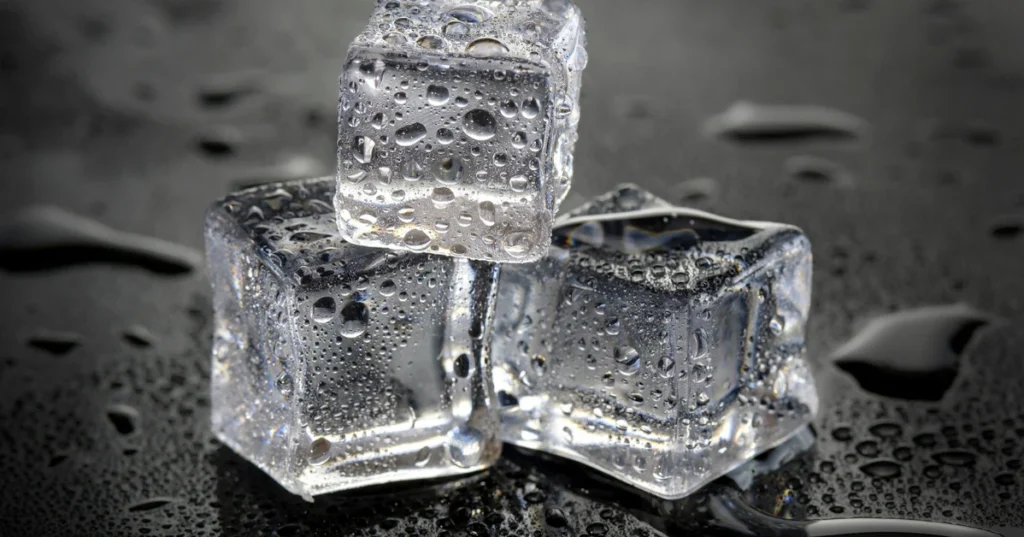
Ice is your best fast-acting tool, but only for certain pimples. It works on inflammatory acne, the red, swollen, painful kind, not on blackheads or whiteheads. Wrap an ice cube in a thin cloth and press it on the pimple for one minute at a time. The cold narrows blood vessels, which cuts down redness and swelling right away. Ice doesn’t treat the cause of acne, so don’t expect it to make the pimple disappear completely. Think of it as damage control, not a cure.
For a stronger push, pair ice with a spot treatment. Dab a small amount of benzoyl peroxide directly on the pimple. It kills acne-causing bacteria and helps calm inflammation, so the pimple often looks less angry within a day.
Here’s a simple two-step combo for fast (not instant) results:
- Ice the pimple for one minute, rest for a few minutes, then repeat if needed.
- Apply a benzoyl peroxide spot treatment once the area is dry.
This won’t erase a pimple overnight, but it’s the most realistic way to reduce swelling and redness fast. Save your money on products promising miracles. Nothing on the market clears acne in a single night, no matter what the packaging claims.
The Best Ingredients to Treat Acne (And Layering Mistakes to Avoid)
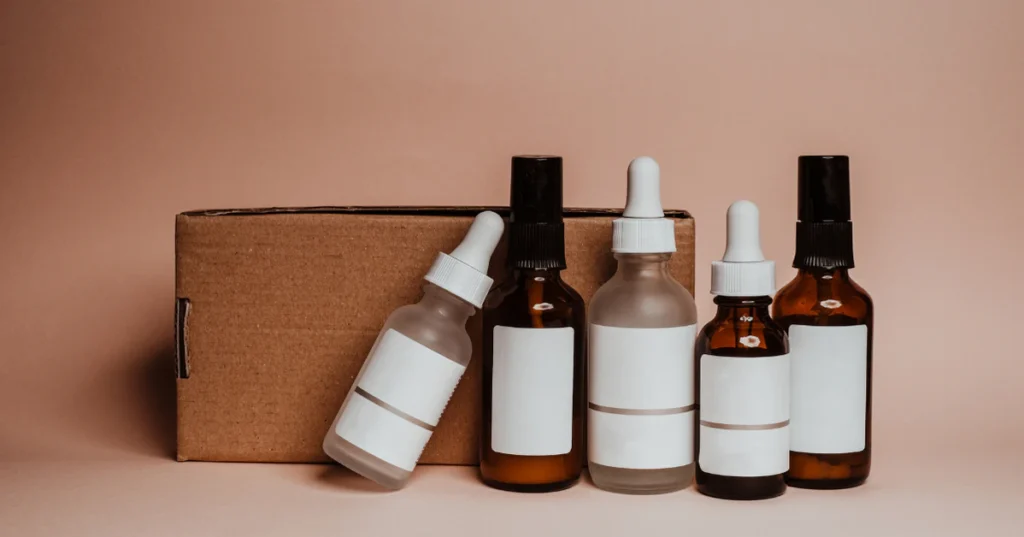
Two ingredients come up again and again in acne treatment: benzoyl peroxide and salicylic acid. They work in different ways, and understanding that difference helps you build a routine that actually helps instead of hurts.
Benzoyl peroxide kills acne-causing bacteria on your skin. It’s the ingredient dermatologists trust most for active breakouts. The American Academy of Dermatology’s 2024 guidelines recommend benzoyl peroxide as a go-to treatment for acne, often paired with other ingredients for better results.
Salicylic acid works differently. It exfoliates inside your pores, clearing out the dead skin cells and oil that cause clogs in the first place. It’s especially useful for blackheads and whiteheads. The research on salicylic acid isn’t as strong as it is for benzoyl peroxide, so the AAD doesn’t officially recommend it or advise against it. Still, many people find it helpful, especially for texture and clogged pores.
Here’s where most people go wrong: they use both at full strength, at the same time, hoping for faster results. Instead, this usually backfires. Layering strong benzoyl peroxide and strong salicylic acid together strips your skin’s natural barrier, leading to redness, peeling, and irritation that can make acne look worse, not better.
A gentler, smarter approach:
- Start low. Use a 2.5% benzoyl peroxide product and a 0.5 to 2% salicylic acid product, not higher strengths right away.
- Split your routine. Use salicylic acid in the morning (as a cleanser or toner) and benzoyl peroxide at night (as a spot treatment or cream).
- Give your skin time. Let your skin adjust to one ingredient before adding the other if you’re new to both.
This slower, split approach still targets both bacteria and clogged pores, just without overwhelming your skin barrier in the process.
Body Acne Decoded (Chest, Back, and Butt)
Breakouts don’t stop at your jawline. Your chest, back, and butt all deal with their own versions of “acne,” but here’s the thing: they’re not all the same condition, and treating them like they are can waste your time and money.
Chest and back acne: the real deal
Chest and back acne is true acne vulgaris, the same condition as facial acne. These areas have large, oil-rich sebaceous glands, which is exactly why breakouts form there so easily. Because the root cause is the same as facial acne, clogged pores, excess oil, and bacteria, the treatment approach is also similar. Benzoyl peroxide washes work well here, since you can apply them over larger areas more easily than spot treatments.
If chest or back acne has healed but left marks behind, patience matters. Scarring on the back can be slow to fade, and consistent treatment over weeks, not days, gives you the best shot at smoother skin.
Butt acne: usually not acne at all
Here’s something most guides get wrong. What people call “butt acne” is almost always a different condition called folliculitis, not true acne. The buttocks and thighs don’t have the dense oil glands that drive facial, chest, and back acne. Instead, those bumps usually come from irritated or infected hair follicles, often triggered by friction from tight clothing, sweat, or sitting for long periods.
Since the cause is different, the fix is different too. Standard facial acne products built for oily, acne-prone skin won’t do much here. Instead, focus on:
- Wearing looser, breathable clothing to cut down on friction
- Showering soon after sweating or exercise
- Using a wash with zinc pyrithione, which targets the bacteria and yeast linked to folliculitis
If bumps on your butt or thighs aren’t improving after trying these steps, it’s worth asking a dermatologist to confirm whether you’re dealing with folliculitis or something else, since the two conditions can look similar but need different treatment.
Acne by Zone: Around the Mouth & Forehead
Breakouts around the mouth
If you keep getting bumps around your mouth that won’t respond to normal acne treatment, you might not be dealing with acne at all. Perioral dermatitis is a common look-alike condition that causes small, red bumps around the mouth. It’s often triggered by heavy face creams, fluoridated toothpaste, or certain cosmetics, not clogged pores. If your “acne” around the mouth keeps coming back despite a solid skincare routine, try switching to a toothpaste without fluoride or SLS and cutting back on heavy creams in that area to see if it improves.
Why you shouldn’t pop pimples in the “danger triangle”
The area from the bridge of your nose to the corners of your mouth is sometimes called the danger triangle. This isn’t internet hype. Blood vessels in this area drain close to a space behind your eyes called the cavernous sinus, so a popped pimple here carries a real, if rare, chance of spreading infection. With modern antibiotics, serious cases are extremely uncommon, so there’s no need to panic over every pimple near your nose or mouth. Still, it’s smart to leave pimples here alone and let treatment, not your fingers, do the work.
Forehead breakouts
Forehead acne often links back to hair products, sweat, or hats and headbands trapping oil against your skin. Washing your hairline after workouts and switching to non-comedogenic hair products can make a real difference here.
How to Fade and Get Rid of Acne Scars at Home
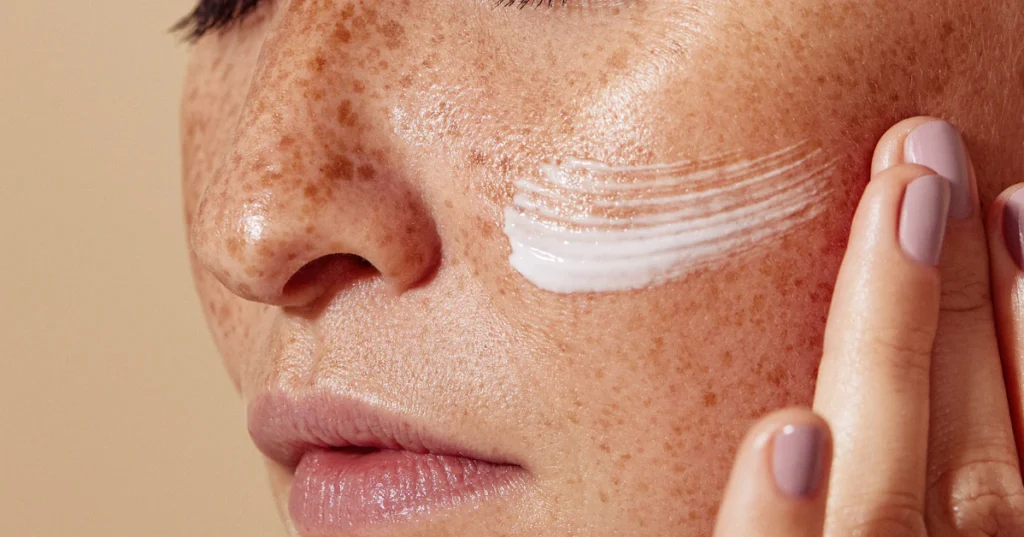
Once a pimple heals, the mark it leaves behind is a separate problem. Treating active acne and treating scars aren’t the same job, and mixing them up leads to disappointment. Scars need their own plan, and the good news is that effective at-home options do exist.
Most acne scars on the face are atrophic, meaning they sit slightly below the surrounding skin instead of raised above it. For years, professional microneedling has been the go-to treatment for this type of scarring, but it comes with a real cost: multiple clinic visits, each one adding up financially.
Here’s where at-home treatment gets more promising. A study published in JAMA Facial Plastic Surgery compared microneedling against a topical retinoid called tazarotene, applied at home once a night. Half of each participant’s face got microneedling sessions over three months, while the other half got the tazarotene gel. The result: tazarotene performed comparably to microneedling for improving atrophic scars, and it was well tolerated, with less than a third of users reporting mild dryness or scaling.
That’s a meaningful finding. It means a nightly at-home routine can rival an in-office procedure for many people dealing with facial acne scars, without the repeated appointments.
A few things to keep in mind if you’re trying an at-home approach:
- Treat active acne first. Scar treatments work best once new breakouts are under control.
- Be patient. Scar fading happens gradually over weeks and months, not days.
- Protect your skin with sunscreen daily, since sun exposure can make scars and dark marks more noticeable.
If your scars are deep or widespread, a dermatologist can still offer stronger in-office options. But for many people with mild to moderate atrophic scarring, a consistent at-home routine is a realistic, budget-friendly starting point.
Debunking Viral Acne Myths (Salt Water & Tea Tree Oil)
Social media loves a quick fix, and acne myths spread fast because everyone wants an easy answer. Two of the most common trends right now are sea salt spray and tea tree oil. One is mostly hype. The other has real science behind it, with a catch.
Sea salt spray: not the miracle it claims to be
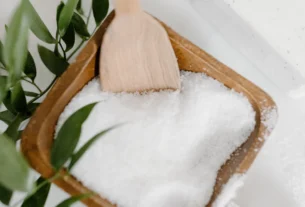
Videos claiming a sea salt spray clears acne overnight have racked up millions of views, but dermatologists push back on this one. A dermatologist at Novant Health confirmed that nothing cures acne overnight, salt water included. Worse, regular use can disrupt your skin’s natural barrier, which actually raises your risk of more breakouts and irritation, not fewer. If you’re drawn to salt water because it feels “natural,” know that natural doesn’t always mean safe or effective for your skin.
Tea tree oil: helpful, but not risk-free
Tea tree oil has more research behind it. A 5% dilution has shown real anti-inflammatory and antibacterial effects on mild acne in clinical studies. That said, it’s a helper, not a cure, and it works best alongside, not instead of, proven treatments like benzoyl peroxide.
Patch-test warning: Tea tree oil carries a documented risk of allergic skin reactions, found in about 1.8% of people tested in clinical patch studies. Always dilute tea tree oil properly and apply a small amount to your inner arm first, waiting 24 to 48 hours to check for redness, itching, or irritation before using it on your face.
Frequently Asked Questions
What naturally kills acne?
No single natural ingredient kills acne completely. Diluted tea tree oil (5%) has shown antibacterial and anti-inflammatory effects in studies, but it works best as a helper alongside proven treatments, not as a stand-alone cure.
What are five causes of acne?
Acne usually comes from a mix of: excess oil production, clogged hair follicles from dead skin cells, acne-causing bacteria, inflammation, and hormone shifts like those during puberty or your period.
How do I stop my face acne?
Build a simple daily routine: wash gently twice a day, apply benzoyl peroxide or salicylic acid, moisturize, and use sunscreen. Stick with it for 6 to 12 weeks before judging results.
Can ice remove acne?
Ice doesn’t remove acne, but it can reduce swelling and redness in inflamed pimples when applied for one minute at a time. It won’t do much for blackheads or whiteheads.
What age is acne worst?
Teens aged 15 to 19 have the highest rates of acne. That said, plenty of adults deal with it too, including many women well into their 30s and 40s.
What kills pimples the fastest?
A combination of ice (to reduce swelling) and a benzoyl peroxide spot treatment (to fight bacteria) gives the fastest visible improvement, usually within a day or two, not instantly.
What clears acne immediately?
Nothing clears acne immediately. Claims promising instant results are exaggerated. Realistic treatment takes weeks of consistent care, even if swelling can be reduced faster.
Is it bad to touch your pimples?
Yes. Touching or picking pimples spreads bacteria and raises your risk of scarring. It’s especially risky in the danger triangle between your nose and mouth, where infection can spread further, though serious cases are rare today.
Can salt remove pimples?
No. Sea salt spray doesn’t cure acne, and using it regularly can actually damage your skin’s barrier, making breakouts more likely rather than less.
Conclusion
Clear skin isn’t about finding one magic product. It’s about understanding what your acne actually is, whether it’s on your face, chest, or butt, and treating it the right way. Stick with proven ingredients, give them the 6 to 12 weeks they need, and skip the viral shortcuts that promise more than they deliver. Your skin will thank you for the patience.