
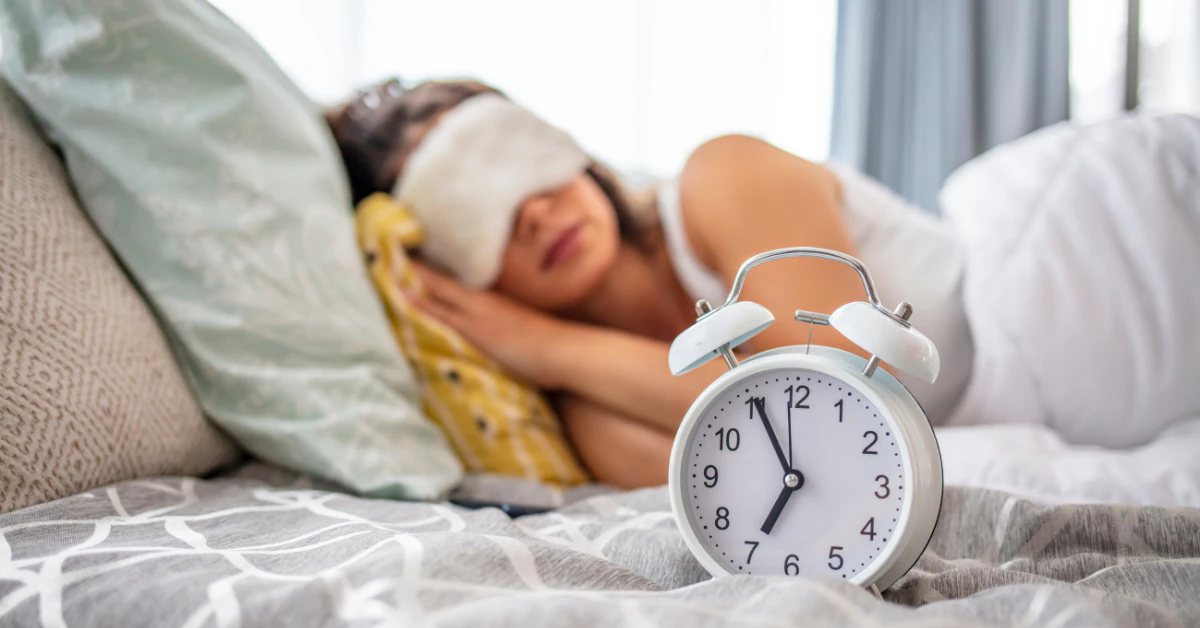
Pick one fixed wake time and stick to it every day. Keep your bedroom between 65 and 68°F. If you cannot fall asleep within 20 minutes, get up and leave the bed until you feel sleepy again. These three moves work because they target your body’s sleep signals directly, not just your habits.
If you already cut out late coffee and put your phone away and you still cannot sleep, you are not doing it wrong. The American Academy of Sleep Medicine says basic sleep hygiene tips are not a strong standalone fix for real sleep trouble. That is why the usual lists keep failing you. Below you will find the behavior changes that actually have evidence behind them, plus fixes built for your specific situation.
Why Can’t You Sleep? Match Your Symptom to the Real Fix
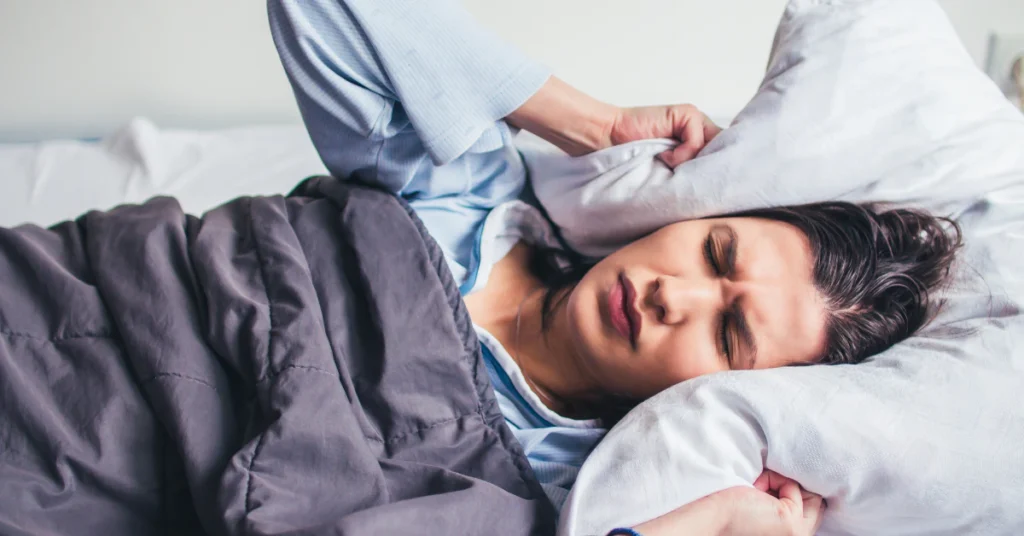
Not all sleep trouble comes from the same place. Your fix should match your actual pattern, not a one-size-fits-all list. Use this table to find your situation fast.
| What Your Night Looks Like | Likely Root Cause | The Evidence-Backed Fix |
| Your brain jolts awake right as you start to drift off | Stress or paradoxical arousal (your mind notices you’re falling asleep and interrupts it) | Try cognitive shuffling or the 3-3-3 grounding technique to redirect your thoughts |
| You wake up hot or drenched around 2 to 3 AM | Hormonal shifts (perimenopause) or a room that’s too warm | Cool your room to 65 to 68°F and track your symptoms if hormonal changes seem likely |
| You wake up gasping, snoring loudly, or with a dry mouth | Airway blockage, possibly sleep apnea | Try side sleeping and get a medical evaluation |
| You’re wide awake at 3 or 4 AM after evening drinks | Alcohol’s rebound effect as your body clears it | Stop drinking at least 3 hours before bed |
| A quiet, dark room makes your thoughts race faster | ADHD-related racing thoughts or delayed melatonin timing | Add low-key background audio and talk to your prescriber about timing |
| You toss and turn for 30-plus minutes most nights | Your brain has linked the bed with wakefulness, not sleep | Use the 20-minute stimulus control rule |
The 20-Minute Stimulus Control Rule (The Fix With Real Clinical Backing)

Lying in bed forcing yourself to sleep almost always backfires. The moment you notice you’re getting sleepy, your brain can jolt right back awake. This is sometimes called paradoxical arousal, and it’s a real pattern, not a sign that something is wrong with you.
There’s another problem too. Every night you spend tossing and turning teaches your brain that the bed means frustration, not rest. Over time, just climbing into bed can trigger that same tense, wide-awake feeling.
Stimulus Control Therapy fixes this by retraining the connection. Researcher Richard Bootzin developed it in the 1970s, and it’s one of the few insomnia fixes the American Academy of Sleep Medicine says works well on its own, without needing to be paired with a long list of other habits.
Here’s how to use it tonight:
- Get into bed only when you feel sleepy, not just tired.
- If you’re not asleep after about 15 to 20 minutes, get up.
- Go to another room, keep the lights dim, and do something calm and quiet.
- Return to bed only once you feel sleepy again.
- Repeat as many times as needed through the night.
- Wake up at the same time every morning, no matter how the night went.
One common mix-up: don’t watch the clock to time this. Staring at the minutes ticking by only adds more stress. Just get up once you notice frustration creeping in.
How to Shut Off a Racing Brain: Cognitive Shuffling, the 3-2-1 Method, and the 3-3-3 Rule
Trying to “just clear your mind” almost never works. Telling your brain to stop thinking is still a thought, and it usually backfires. If your mind races the second the lights go off, you’re far from alone. NIMH data suggests anxiety disorders affect an estimated 31.1% of U.S. adults at some point in their lives, so racing nighttime thoughts are an extremely common pattern, not a sign that something is broken in you.
Here are three specific tools worth trying tonight.
Cognitive Shuffling. Cognitive scientist Dr. Luc Beaudoin developed this method to copy the random, disconnected thoughts your brain naturally has right before sleep. Pick a neutral word, like BEDTIME. For each letter, picture a few unrelated objects. B: banana, balloon, boat. E: elephant, envelope, egg. Keep going letter by letter. The randomness gives your brain something to do without giving it anything to worry about.
The 3-2-1 Wind-Down Method. Sleep psychologist Dr. Michael Breus recommends stopping alcohol 3 hours before bed, food 2 hours before bed, and screens 1 hour before bed.
The 3-3-3 Rule, Clarified. If you’ve searched for a “3-3-3 rule” for sleep, here’s the truth: it’s actually an anxiety grounding exercise, not a sleep rule. Name 3 things you can see, 3 sounds you can hear, then move 3 parts of your body. It’s built for calming sudden nighttime panic, and it works well for that specific moment.
Why You Wake Up at 3 AM Every Night (And How to Fix Your Sleep Environment)
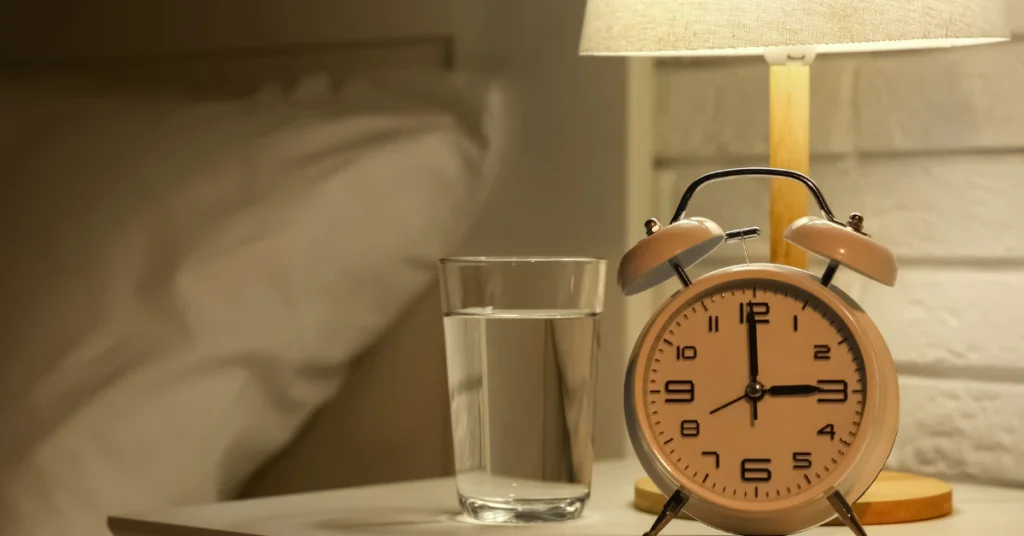
That dreaded 3 AM eye-open moment has a real biological explanation, and it’s not a mystery you need to fear.
Two things are happening at once. First, your sleep naturally shifts in the second half of the night. You spend less time in deep sleep and more time in lighter sleep and REM, which makes you easier to wake up during those hours no matter what.
Second, your body starts releasing cortisol around 2 to 3 AM. This is a normal, built-in signal that preps you to wake up later in the morning. Under calm conditions, this rise stays quiet in the background. But if you’re stressed, overheated, or your nervous system is on edge, that same subtle rise can turn into a full jolt awake.
The good news is your bedroom setup can help. Keep your thermostat between 65 and 68°F. A room that’s too warm makes it much easier for that natural cortisol bump to fully wake you.
Now, about white noise. If you’ve wondered whether silence or background sound is better, the honest answer is that it depends. Sleep specialists cited by TIME and the Cleveland Clinic point out that white and pink noise research is still fairly early and mixed. It’s not a proven fix for everyone. But if outside noise, like traffic or a snoring partner, keeps interrupting you, a steady sound can help mask those disruptions. Try it only if you actually need to block something out, not because it’s guaranteed to work.
How to Sleep Better at Night Naturally: Daytime Timing & Sleep-Supportive Foods

Good sleep starts long before bedtime. If you want to sleep better at night naturally, a few daytime habits matter more than any nighttime trick.
Keep your wake time the same every day, weekends included. Get your exercise done earlier in the day rather than right before bed, since a wound-up body doesn’t wind down fast. Skip the afternoon nap if you can, and cut off caffeine early so it has time to clear your system.
Once the basics are handled, food choices can genuinely support your sleep biology, not just fill your stomach.
Tart cherries or tart cherry juice are a natural source of melatonin. Small studies have linked them to modest gains in total sleep time and sleep efficiency.
Kiwifruit has research behind it too. Adults with self-reported sleep trouble who ate kiwi regularly over several weeks saw improvements in how fast they fell asleep, how long they stayed asleep, and overall sleep efficiency.
Pairing tryptophan with magnesium also helps. Foods like turkey, dairy, eggs, nuts, and legumes contain tryptophan, which feeds the pathway your body uses to make serotonin and then melatonin. Magnesium-rich foods, like leafy greens, nuts, and bananas, support GABA, a calming brain chemical.
One important note: don’t guess at melatonin or magnesium supplement dosages on your own. Talk to a doctor or pharmacist before starting any supplement, especially if you’re pregnant or taking prescription medication.
Tailored Sleep Strategies for Pregnancy, Perimenopause, Apnea, ADHD, and Alcohol
Pregnancy
Pregnancy sleep advice can feel like one more thing to stress about, so here’s the simple version. The American College of Obstetricians and Gynecologists (ACOG) recommends sleeping on your left side with a pillow between your knees. This takes pressure off a major vein and boosts blood flow to the placenta.
But don’t panic if you wake up on your back or right side. ACOG notes there’s no evidence that this harms your baby. Bodies shift during sleep, and that’s completely normal.
Perimenopause
Sleep trouble is often the very first sign of perimenopause, showing up before daytime hot flashes ever appear. Research affiliated with ACOG and Oova found that shifting estrogen and progesterone levels disrupt temperature control and drive insomnia in nearly half of women going through this stage.
Layering breathable bedding and keeping your room between 65 and 68°F can help manage the night sweats that come with these hormone swings.
Sleep Apnea
Side sleeping helps here for a simple reason. Gravity is less likely to pull your tongue and soft tissue back into your airway when you’re not lying flat on your back. Avoiding alcohol in the evening matters too, since it relaxes throat muscles and can make airway collapse worse.
That said, side sleeping and cutting evening drinks are supplements only. They should never replace a prescribed CPAP machine or a formal medical evaluation for sleep apnea.
After Drinking
Alcohol tricks you at first. It boosts a calming brain chemical called GABA, so you feel sleepy fast. But as your liver clears it, roughly one standard drink per hour, that calm flips into an excitatory rebound. Your heart rate, body temperature, and cortisol spike, often right around 3 or 4 AM.
Research out of Finland found that even two drinks cut sleep quality by about 24%, and heavy drinking cut it by around 39%. Hydrate early in the night and try to stop drinking 3 to 4 hours before bed.
ADHD and Racing Minds
ADHD is linked to Delayed Sleep Phase Syndrome and later melatonin release, which is why bedtime often doesn’t line up with when your brain actually feels ready to sleep. A pitch-black, silent room can backfire here too, since an under-stimulated brain often fills that quiet with racing thoughts.
Low-key background audio, like a familiar podcast or brown noise, can help occupy your mind without overstimulating it. And if you take stimulant medication, know that timing can either calm your mind for sleep or delay it depending on the person. Talk to your prescriber about timing rather than adjusting your dose on your own.
When Sleep Tips Aren’t Enough: Why CBT-I Is the Gold Standard
The tips above can genuinely help, but they aren’t a cure for chronic insomnia or an undiagnosed sleep disorder. If sleep trouble drags on for more than a few weeks, wrecks your days, or comes with loud snoring or gasping, it’s time to see a doctor.
Both the American Academy of Sleep Medicine and the American College of Physicians recommend Cognitive Behavioral Therapy for Insomnia, known as CBT-I, as the first choice for treatment. Peer-reviewed research shows it works as well as, or better than, sleep medication, without the side effects that come with pills.
Frequently Asked Questions
What is the 3-3-3 rule for sleep?
There’s no official “3-3-3 sleep rule.” Searchers usually mean the 3-3-3 anxiety grounding method (name 3 things you see, hear, and body parts you move) or the viral 3-2-1 rule for wind-down timing.
How can I sleep better at night naturally?
Pair a consistent wake time with a cool, dark room around 65 to 68°F. Add sleep-supportive foods like tryptophan-rich dairy or turkey, magnesium-rich greens and bananas, and tart cherries or kiwi.
Why is my sleep quality so poor?
Poor sleep quality often comes from an inconsistent schedule, a warm or noisy room, evening alcohol or caffeine, high stress, or an underlying issue like perimenopause, ADHD, or sleep apnea.
Why can’t I sleep even if I try?
Trying to force sleep triggers paradoxical arousal. The harder you monitor whether you’re falling asleep, the more alert your brain becomes. Redirecting your thoughts works better than forcing relaxation.
Should I just lay in bed if I can’t sleep?
No. If you’re not asleep after 15 to 20 minutes, get up and do something calm in dim light until you feel sleepy. This stops your brain from linking the bed with frustration.
How do I shut my mind off to sleep?
Try a quick paper brain dump of tomorrow’s tasks before bed, slow breathing, or cognitive shuffling to occupy your mind with neutral thoughts instead of active worry.
How do I trick my brain into falling asleep?
Use cognitive shuffling. Pick a random neutral word and picture unrelated everyday objects starting with each letter, mimicking the scattered micro-thoughts your brain naturally has right before sleep.
Is it better to sleep in silence or with noise?
It depends on you. White and pink noise research is still preliminary, so silence works fine in a quiet room, while steady sound helps mask traffic or snoring.
Why do I wake up at 3am every night?
Your sleep shifts into lighter, REM-heavy stages in the second half of the night as cortisol naturally rises to prep you for morning. Stress, alcohol, hormones, or apnea can turn that shift into a full wake-up.
Conclusion
Better sleep rarely comes from one trick. It comes from matching the right fix to what’s actually keeping you awake, whether that’s a warm room, racing thoughts, alcohol, hormones, or an airway issue. Start with the 20-minute rule and a cooler bedroom tonight. If nights like this keep repeating for weeks, talk to a doctor about CBT-I instead of piling on more tips.