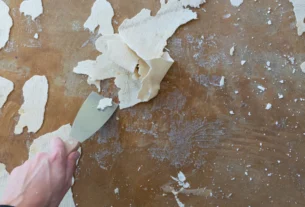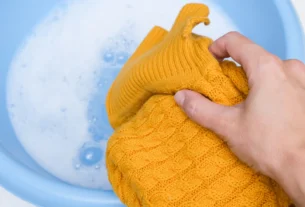
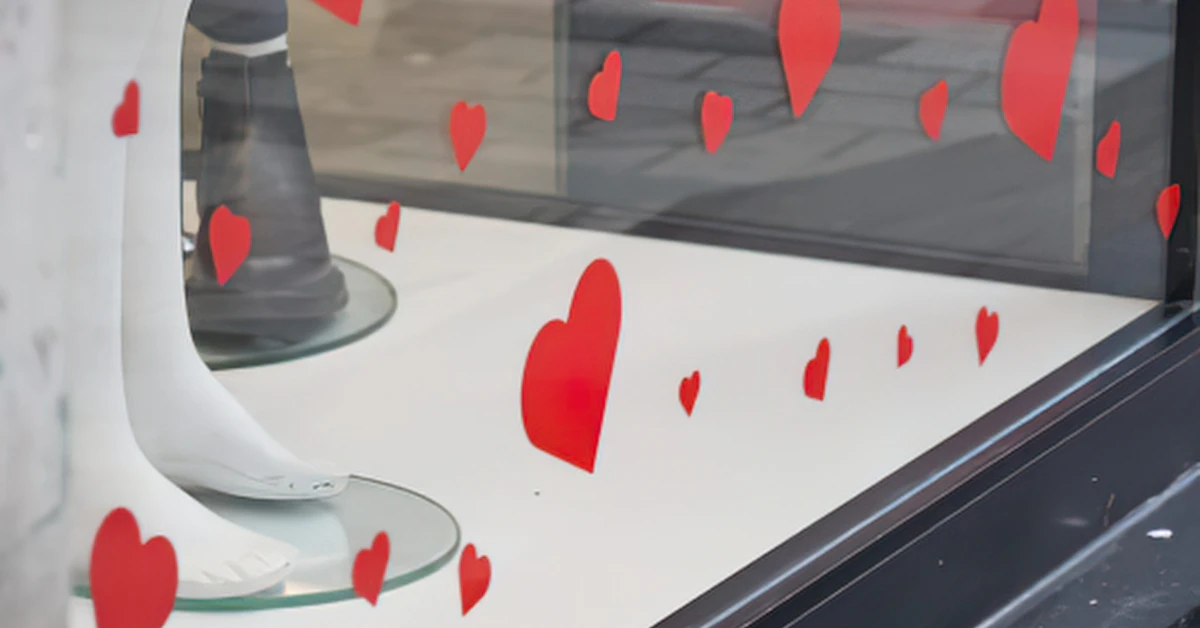
Soak the sticker in warm, soapy water for a few minutes. This softens the glue underneath. Then take a sharp razor blade or a plastic scraper and hold it at a low angle, about 30 degrees, against the glass. Slide it gently under one edge of the sticker and lift. This angle keeps the blade from digging into the glass, so you can remove stickers from glass without scratching it.
That’s the short version for plain glass. But not every surface plays by the same rules. A car window, a bathroom mirror, and a glass food jar each need a slightly different approach to stay safe and scratch-free.
This guide breaks it down by surface, so you can find your exact situation and fix it fast.
Comparison Table: Sticker Removal Methods Ranked
Not sure which method to grab first? Here’s how the main options stack up side by side.
| Method | Speed | Residue-Cutting Power | Surface Safety |
| Warm Soapy Water | Slow | Low to Medium | Safest option, gentlest on glass |
| White Vinegar | Medium | Medium | Safe for most glass |
| Rubbing Alcohol | Fast | Medium to High | Safe for most glass |
| WD-40 / Goo Gone | Fast | High | Safe on glass, but leaves an oily film that needs a soap wash |
| Hydrogen Peroxide | Medium | Medium | Safe on glass, but never mix with other cleaners (see safety note below) |
Dish soap and warm water is the gentlest first-line method, so start there if you’re not in a rush. If the residue won’t budge, WD-40 or Goo Gone cuts through it fast, but you’ll need to wash the glass with soap and water afterward to clear the greasy film they leave behind.
General Guide: Removing Stickers from Standard Windows and Doors
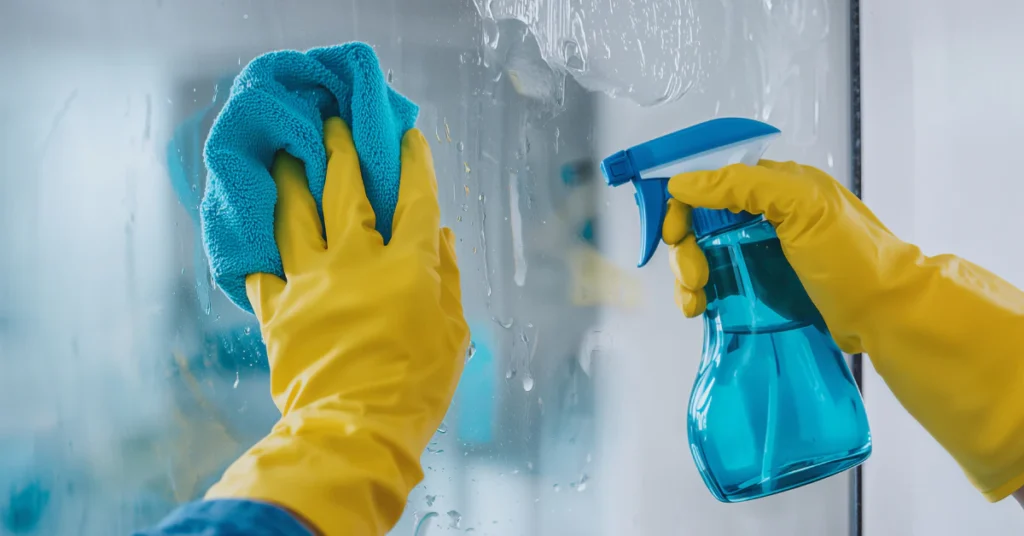
Most window and door stickers come off with a simple three-step progression. Start gentle, then work your way up only if you need to.
Step 1: Soak it. Wet a cloth with warm, soapy water and press it over the sticker for a few minutes. This softens the glue so the sticker peels off easier.
Step 2: Try vinegar or alcohol. If soap and water alone doesn’t cut it, soak a cloth in white vinegar or rubbing alcohol and lay it over the spot for a few minutes. Both work well on glass windows and glass doors.
Step 3: Bring in an oil-based solvent. For stickers that won’t let go, WD-40 or Goo Gone will usually finish the job. Spray it on, let it sit, then wipe.
Here’s the catch. On old, sun-baked stickers, like ones that have been on a window for years, WD-40 sometimes doesn’t fully work. If you’ve sprayed it and the residue is still sticking around, don’t keep soaking the glass in more product. Instead, switch to a plastic scraper and a layer of Vaseline. Spread the petroleum jelly over the sticky spot, leave it for 10 minutes, then wipe it away. Vaseline breaks down stubborn residue without harming the glass underneath, which makes it a solid backup when other methods stall out.
One warning worth remembering: never shock cold glass with sudden heat. Pouring hot water on a cold windowpane, or blasting it with a hot hairdryer right after it’s been cold outside, can cause the glass to crack. Always let the temperature change happen gradually.
This same approach works if you’re removing stickers from glass and plastic trim together, like a window with plastic molding. Just test any solvent on the plastic edge first, since some oil-based products can leave plastic looking hazy.
How to Safely Clean Glass Jars, Bottles, and Glassware

Food-safe containers need extra care. Anything that will hold food or drink again deserves the gentlest method first.
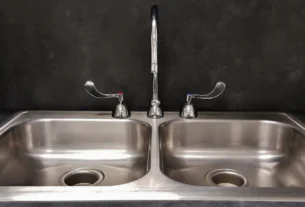
Start with warm, soapy water. Fill a sink or bowl with warm water and a squirt of dish soap, then let the jar, bottle, or cup soak for a few minutes. This loosens most labels without any chemicals at all. If some sticky residue is left behind, a cloth soaked in white vinegar works next. Lay it over the spot for a few minutes, then wipe clean.
These two methods are the best first-line choice for glass jars, bottles, glassware, and cups, since they’re both safe around food and gentle enough for daily kitchen items.
If the label is really stuck and you need a stronger solvent like WD-40 or Goo Gone, you can use it. But there’s an important rule here: WD-40 is not food-safe. It should never be used on anything that will touch food or drink without a thorough cleanup afterward.
If you do use WD-40 or a similar solvent on a mason jar, wine glass, or cup, you must wash it completely with dish soap and warm water before it goes anywhere near food again. Scrub it well to make sure every trace of the oily residue is gone. This step isn’t optional. Skipping it means that solvent residue could end up in your food or drink the next time you use the jar.
Auto Glass Restrictions: Car Windows and Tinted Glass

Car glass is not the same as a kitchen window. Before you grab a razor blade, there are two hazards every driver needs to know about.
Rear Windshield Warning
Many rear car windows have thin defroster lines built right into the glass. These wires heat up to clear fog and ice. A metal razor blade can easily slice through one of these lines if you’re not careful.
Never use a metal razor blade on the outside of a rear car window. If you cut a defroster line, your defroster stops working in that spot, and fixing it is not cheap. If you’re removing a sticker from the rear window, skip the blade entirely and use a soak-and-wipe method instead, like soapy water or rubbing alcohol.
For the front windshield and side windows without defroster lines, a metal blade held at a shallow angle is generally fine, as long as the glass isn’t tinted.
Tinted Window Rule
If your car has tinted windows, the rule is simple: never use a metal blade. Metal will scratch and gouge the thin tint film, and that damage can’t be undone. You’d have to replace the whole tint job.
Instead, use a plastic razor blade or plastic scraper on any tinted glass. It takes a little more patience, but it won’t tear up the film underneath.
Rubber Seals and Ammonia
One more thing to watch for around cars. Ammonia-based glass cleaners can dry out and damage the rubber seals around your windshield over time. If you’re cleaning up sticker residue near the edges of the glass, reach for an ammonia-free glass cleaner instead to protect those seals.
For more detail on caring for auto glass safely, the National Glass Association offers guidance on proper windshield and window care.
The Silent Risk of Cleaning Mirror Glass

Mirrors look like regular glass, but they hide something regular windows don’t. Behind that reflective surface is a thin silver backing, and it’s much more fragile than the glass itself.
This matters a lot when you’re removing a sticker. If cleaner or solvent pools at the edges of the mirror, it can seep behind the glass and reach that silver backing. Once that happens, the liquid can corrode the backing and leave permanent black spots. There’s no fixing this. The mirror is damaged for good.
So skip the heavy spraying. Instead of spraying cleaner directly onto the mirror, put the liquid on your cloth first. Then wipe the sticker with the damp cloth. This gives you full control over how much liquid touches the glass, and keeps it from running toward the edges.
The same soak-and-wipe order from earlier still applies here. Start with a cloth dampened in warm soapy water, then move to vinegar or rubbing alcohol on the cloth if needed. Just always apply to the cloth, never straight onto the mirror.
How to Remove a Sticker Without Damaging It
Not every reader wants the sticker gone for good. If you’re saving labels for a scrapbook, or pulling a design off a glass jar for a craft project, the soak-and-dissolve method will ruin your plan. Water and solvents soften paper and warp ink, and your sticker comes off in soggy pieces instead of one clean piece.
Dry heat is the better choice here.
Hold a hairdryer 6 to 8 inches away from the glass. Keep it moving, and aim for a low, controlled temperature between 100°F and 150°F. This is warm enough to loosen the glue, but not so hot that it damages the glass or scorches the sticker.
After about 20 to 30 seconds of heat, check one corner of the sticker. If it lifts easily, slide a flat tool, like a credit card or plastic scraper, under that corner at a low angle. Work slowly across the sticker, keeping the tool flat against the glass as you lift.
This method works especially well for glass jars you’re repurposing for crafts, since it protects both the glass and the label you want to keep.
Crucial Safety Warning: Chemical Hazards
Important Safety Warning
If one method doesn’t fully work, it can be tempting to layer another cleaner on top. Don’t do this with hydrogen peroxide.
Never mix hydrogen peroxide with ammonia, rubbing alcohol, or bleach. This combination produces toxic fumes that are dangerous to breathe in. If you tried Windex (which contains ammonia) or rubbing alcohol on a sticker and it didn’t fully work, rinse and dry the area completely before switching to hydrogen peroxide. Never apply them one on top of the other.
Hydrogen peroxide itself is safe to use on glass. But it is not safe for everything nearby. If you’re working on a window above a kitchen counter or a glass item sitting on a wood surface, watch where the drips go.
Hydrogen peroxide can bleach and damage natural stone countertops like granite, marble, or quartz. It can also ruin wood finishes, corrode brass, and damage leather. Keep a towel underneath your work area, and wipe up any drips right away before they reach these surfaces.
Frequently Asked Questions
Does WD-40 remove stickers from glass?
Yes, WD-40 breaks down the adhesive and is safe to use on glass. Just keep in mind it leaves an oily film that needs a soap and water wash afterward, and it’s not food-safe for anything that touches food or drink.
Will Windex remove sticker residue?
Yes, Windex can help cut through sticker residue. But the ammonia in it can sometimes leave streaks on heavy residue, and ammonia can dry out and damage rubber seals on a car, so use an ammonia-free cleaner near windshields.
Does Dawn dish soap remove sticker residue?
Yes. Dawn mixed with warm water is the gentlest first-line method and a good starting point for almost any glass surface, especially food jars and glassware.
Does vinegar remove sticker residue?
Yes. White vinegar’s acidity breaks down the adhesive. Soak a cloth in vinegar, lay it over the residue for a few minutes, then wipe clean.
How to get stickers off glass?
Start with a warm soapy water soak. If residue remains, move up to vinegar or rubbing alcohol. For stubborn spots, finish with an oil-based solvent like WD-40 or Goo Gone, then wash the glass clean.
Is hydrogen peroxide good for removing sticker residue?
Yes, it oxidizes and loosens the adhesive. Wear gloves while using it, and never mix it with bleach, ammonia, or rubbing alcohol, since that combination produces toxic fumes.
How do I remove sticker residue that isn’t coming off?
Escalate to an oil-based method like WD-40, Goo Gone, or Vaseline, paired with a plastic scraper. This combination handles most stubborn, long-stuck residue that soap and vinegar can’t fully clear.
What should you never clean with hydrogen peroxide?
Avoid it on natural stone, stainless steel, brass, wood, leather, and electronic screens. It can bleach, corrode, or cloud these surfaces.
Does Vaseline get rid of sticker residue?
Yes. Apply it generously over the residue, let it sit for at least 10 minutes, then wipe away with a cloth.
Conclusion
Stickers on glass don’t have to be a fight. Most of the time, warm soapy water and a little patience will do the job. When that’s not enough, vinegar, rubbing alcohol, or an oil-based solvent like WD-40 or Goo Gone will finish the work.
Just remember the few rules that keep your glass and your surfaces safe. Never mix hydrogen peroxide with ammonia, rubbing alcohol, or bleach. Skip metal blades on tinted car windows and rear windshields. Apply liquid to your cloth first when cleaning mirrors. And always give food jars a full soap wash before they touch food again.
With the right method for your specific surface, you’ll get clean, scratch-free glass without any guesswork.