
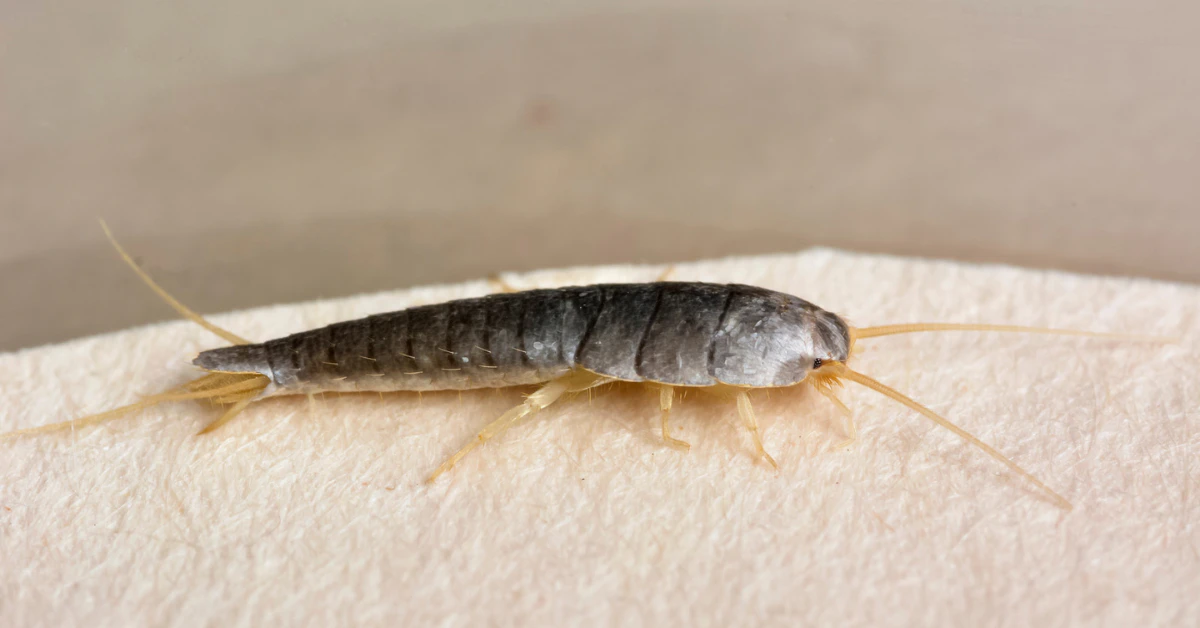
Seeing a silverfish does not mean your home is dirty. Here is the fast fix: lower the humidity in the room, seal up any cracks where they hide, then treat the area with a direct-contact method like boric acid, diatomaceous earth, or a spray made for silverfish.
Now for the honest part. This will not clear up overnight. Silverfish eggs take 19 to 32 days to hatch, so new ones can still show up even after you treat the area. Give your plan 2 to 3 weeks before you judge how well it is working. If you are still seeing silverfish after that, the source is likely an untreated spot somewhere else in your home.
Stick with the plan below and you should see a real drop in numbers within that window.
What Are Silverfish & Are They Harmful?
A silverfish is a small, wingless insect with a shiny, silvery body and long antennae. It also has three tail-like appendages at the back, which is where it gets its fish-like look. When it moves, it darts fast and low, almost like a little swimmer crossing your floor.
So, are silverfish harmful? Not to you or your pets. They do not bite, sting, or carry disease. If a curious cat or dog eats one, it is not poisonous. The one catch is that silverfish shed scales and leave behind tiny droppings, and these can trigger mild allergy symptoms, like a runny nose or itchy eyes, in people who are sensitive to them.
You might also wonder why you are suddenly seeing more of them. Temperature plays a big role. When it is colder than 50°F, a silverfish can take up to 500 days to grow into an adult. Once it warms up past 75°F, that same growth can happen in as little as 60 days. That is why numbers tend to explode in warm, humid months and slow way down in winter.
And no, finding one does not mean your home is dirty. It means the conditions were right.
Drop the Humidity (The 75% Rule)
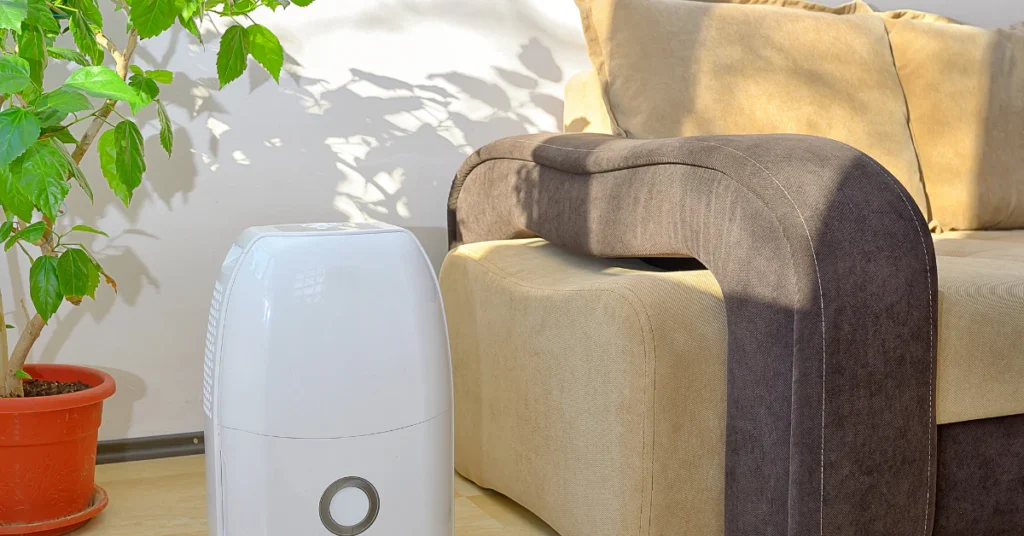
Moisture is what silverfish need most. Research from UC Riverside entomologists found that silverfish thrive at temperatures between 71°F and 90°F, but only when relative humidity stays above 75%. Take that moisture away, and you take away their ability to survive.
This is where a cheap hygrometer pays off. It is a small tool that measures humidity, and it takes the guesswork out of this whole step. Place one in the room where you spotted silverfish, usually a bathroom, basement, or laundry room, and check the reading.
Then run a dehumidifier in that space until the humidity drops below 50%. That number matters. It is not just uncomfortable for silverfish, it is close to impossible for them to survive long term.
While you are at it, handle two more things in the same space:
- Seal up cracks around pipes, baseboards, and window frames where silverfish hide and lay eggs.
- Clear out starchy food sources like old cardboard boxes, stacked newspapers, and unused paper goods, since these are exactly what silverfish eat.
Fix the moisture and food source together, and you remove the two things keeping them around.
Direct Treatments (Sprays vs. Dusts)

Lowering humidity handles the long game. For the silverfish you can see right now, you need something that kills on contact.
Here is how the main options stack up against each other.
| Method | Speed | Pet/Child Safety | Kills Eggs? | Best Used In |
| Insecticide spray (pyrethrin-based) | Fast, kills on contact | Keep off pet bedding, away from open flames | No | Cracks, baseboards, active hiding spots |
| Boric acid dust | Slower, works once ingested | High caution, toxic if eaten by pets | No | Wall voids, under sinks, closed-off areas |
| Diatomaceous earth (food-grade) | Slower, works over days | Caution around inhalation | No | Dry, low-traffic spots pets can’t reach |
| Sticky traps | Passive, catches over time | Low risk | No | Corners, along baseboards, under furniture |
If you are searching for what kills silverfish instantly, a spray is your answer. Pyrethrin-based sprays kill silverfish on contact, so you will see results right away when you spray directly on one. Dusts like boric acid and diatomaceous earth work differently. The insect has to crawl through the powder and pick it up on its body, so it takes longer to see results.
None of these options kill silverfish eggs. That is part of why the 2 to 3 week timeline matters. You are treating the adults now and will need to stay consistent as new ones hatch.
Now for the safety part, and this matters if you have pets or kids in the house.
Keep boric acid away from pets and children. If ingested, it can cause tremors or loss of coordination in animals.
If you use diatomaceous earth, stick to the food-grade type. But do not assume that makes it fully safe around pets. The real risk is inhalation, not eating it. Dogs and cats explore with their noses, and breathing in the fine powder can irritate their lungs and eyes. Apply it only in spots your pets cannot reach or sniff into.
With sprays, keep them away from pet bedding and away from open flames, since some have an oil-based formula.
Use Sticky Traps (Why Baits Fail)

Before you buy anything labeled as a silverfish trap, check what kind it actually is. A lot of products sold for silverfish are really roach-style bait stations, and those often do not work well on silverfish at all.
Here is why. Entomologists at UC Riverside found that silverfish are poor bait feeders. Roaches will readily eat bait and carry it back to their colony, but silverfish do not feed on bait the same way. So a station sitting in your bathroom corner might catch nothing, even after weeks.
Skip the bait and go with simple sticky traps instead. These work on a different principle. Silverfish wander across the sticky surface while moving around at night, get stuck, and that is it. No bait, no feeding behavior needed.
Place sticky traps along baseboards, in dark corners, and near any spot where you have already seen silverfish. Check them every few days. A trap that is catching silverfish tells you exactly where the activity is, which helps you focus your humidity and treatment efforts in the right spot.
How to Handle Silverfish in Specific Rooms
Silverfish in the Bathroom
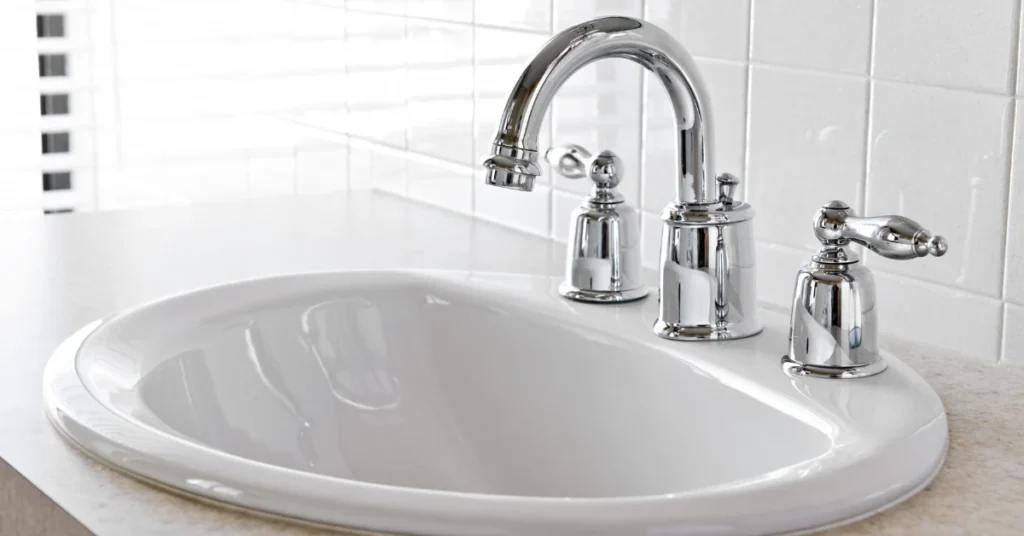
If you keep finding silverfish in your sink or tub, you are probably picturing them crawling up through the drain. They are not. What actually happens is they fall in while searching for moisture, then get stuck. Their feet cannot grip a slick, smooth surface like porcelain, so once they are in, they cannot climb back out.
This is good news, in a way. It means you are not dealing with some hidden colony living in your pipes. You are dealing with a humid room that is pulling silverfish in from elsewhere. Go back to Step 1 and get that bathroom’s humidity down, and the sink sightings should slow down on their own.
Silverfish in the Bedroom
Finding a silverfish near your bed can feel alarming, especially if your mind jumps straight to bed bugs. Take a breath. These are two completely different pests, and silverfish have no interest in you or your blood.
If one shows up in your bedroom, it almost always comes down to the room itself. High humidity, plus clutter like stacks of books, old magazines, or paper boxes, creates exactly the kind of spot silverfish like to settle into. It is not about the bed. It is about what is sitting near it.
Clear out paper clutter, keep humidity in check, and your bedroom becomes a lot less appealing to them.
Natural Remedies & The Baking Soda Myth
If you would rather skip chemicals, you have options. But let’s clear up one myth first.
You may have seen claims online about mixing baking soda with sugar to kill silverfish. Skip it. There is no real entomological evidence that baking soda kills silverfish, and that sugar bait recipe seems to have started on low-quality content sites rather than any actual pest research. It will not hurt to have baking soda around your home, but do not count on it to solve an infestation.
A better natural option is Japanese cedar essential oil, which has actually shown repelling and killing effects on silverfish in lab studies. If you want to try it, a few drops on a cloth placed near books or closets can help.
One important warning here. Essential oils, cedar included, can be highly toxic to cats. If you have a cat in the house, talk to your vet before using cedar oil anywhere in your home, including on baseboards or closet shelves. What is a mild remedy for you could be a real health risk for your cat.
Frequently Asked Questions
What smell do silverfish hate?
Japanese cedar essential oil has shown real repelling power against silverfish in lab studies. Cinnamon, on the other hand, has not been shown to kill silverfish or their eggs, despite what you might read online. If you have a cat, check with your vet before using cedar oil at home.
Should I be worried if I have silverfish?
Not about your health or your pet’s health. Silverfish do not bite, sting, or carry disease, and they are not poisonous to pets. The main downside is damage to paper, books, and fabric, plus possible mild allergy symptoms from their shed scales.
What kills silverfish in the house?
Direct-contact methods work best. Pyrethrin-based sprays kill them on contact, while boric acid and diatomaceous earth work once the insect crawls through the dust. Lowering humidity is what stops new ones from showing up.
What causes silverfish in your house?
High humidity, usually above 75%, combined with food sources like paper, glue, and cardboard. Dark, undisturbed spots like closets and under sinks give them a place to hide during the day.
Is it safe to sleep in a room with silverfish?
Yes. They do not bite or carry disease, so there is no safety risk from sleeping in a room with them. The only concern is mild allergy irritation in people sensitive to their shed scales.
What kills silverfish instantly in the house?
A pyrethrin-based spray applied directly to the insect is your fastest option. Dusts like boric acid and diatomaceous earth take longer since the insect has to pick up the powder first.
Will silverfish eventually go away?
Not on their own if humidity and food stay available. With consistent treatment, you should see real improvement within 2 to 3 weeks. If nothing changes by then, there is likely an untreated spot somewhere else.
Can silverfish infest a bed?
They are not drawn to beds the way bed bugs are. If you find one near your bed, it is about the room’s humidity and nearby paper clutter, not the bed itself.
What month are silverfish most active?
There is no single peak month. Silverfish can stay active year-round indoors wherever humidity is high, though activity often picks up during warm, humid months.
Conclusion
Finding a silverfish does not mean your home is dirty or that you are facing a losing battle. It means the humidity and food conditions in one spot were right for them, and now you know exactly what to fix.
Start with humidity control, since that is the root cause. Add direct treatments for the silverfish you can already see, skip the bait traps, and stay patient for 2 to 3 weeks while any remaining eggs hatch out. Keep boric acid, diatomaceous earth, and essential oils away from pets as directed, and you will have this handled safely and for good.