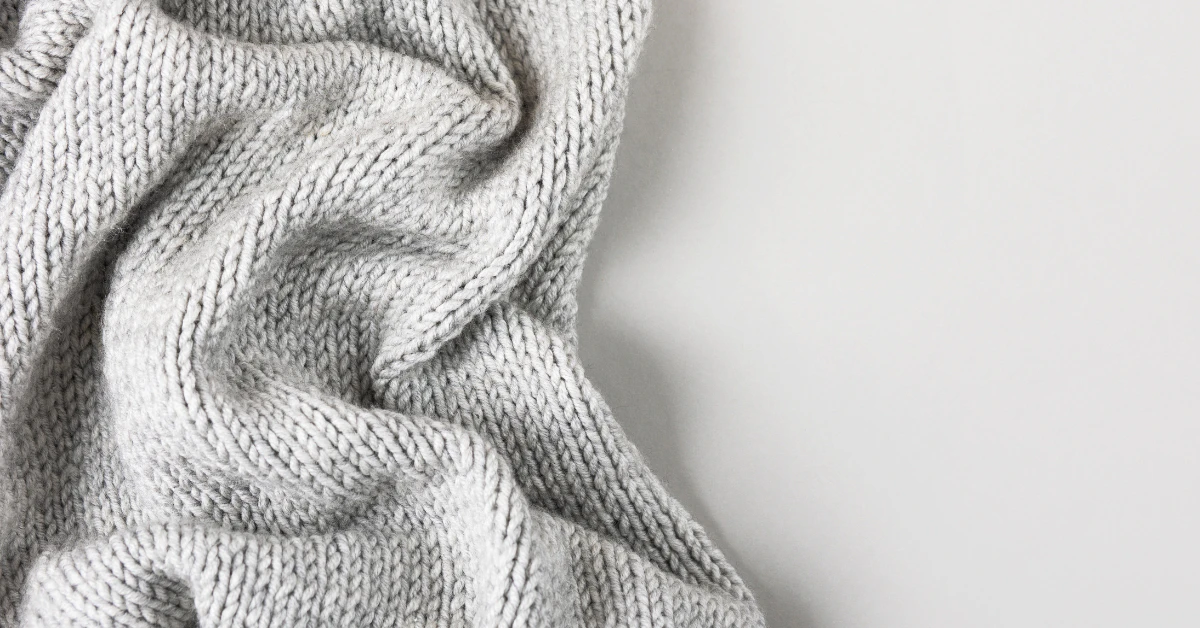
A wool blanket can survive decades of cold nights if you treat it right. But wash it the wrong way just once, and it can shrink, stiffen, or lose its shape for good. That’s why so many people hesitate before tossing one in the laundry.
The good news is that washing wool safely isn’t complicated once you know the rules.
Check the care tag first. If it says machine washable, use a wool cycle and cold water. If not, hand wash it. Either way, stick to a wool-safe detergent, never scrub or wring the fabric, and skip the dryer. Lay it flat to air dry instead.
Below, we’ll walk through exactly how to do each step, plus what to use if you don’t have wool detergent on hand.
The Golden Rules of Wool Care (And Why Blankets Shrink)
Wool isn’t like cotton or polyester. It’s animal hair, and under a microscope, each strand is covered in tiny scales, almost like the shingles on a roof. Normally, those scales lie flat.
Heat and friction change that. When wool gets hot and wet, the scales lift up. If you rub or agitate the fabric at the same time, those lifted scales grab onto each other and lock together. This process is called felting, and it’s permanent. There’s no undoing it once it happens, according to Cornell University’s Department of Fiber Science and Apparel Design.
This is why temperature control matters so much.
Safety warning: Water above 104°F (40°C) will cause irreversible felting and shrinkage. Never use chlorine bleach on wool, it chemically breaks down the protein fibers and permanently damages the blanket.
So the golden rules come down to three things: keep the water cool, keep your hands gentle, and skip the bleach entirely.
These same rules apply if you’re trying to figure out how to wash a yarn blanket or how to wash a knit blanket made from wool or a wool blend. Any item spun from animal fiber can felt the same way, so treat chunky knits and crocheted throws with the same cold-water, low-agitation approach.
What Detergent is Safe for Wool? (The Great Soap Debate)
Not all “gentle” detergents are actually gentle on wool. This is where most people go wrong.
Safety warning: Avoid enzymatic detergents, often labeled “bio” or stain-fighting formulas. Enzymes are designed to break down protein, and wool is a protein fiber. Over repeated washes, these detergents will structurally weaken and damage the fabric.
So what should you actually reach for? Here’s a simple breakdown.
Safe choices:
- Woolite Delicates: Despite rumors circulating in online knitting communities that Woolite’s formula has changed for the worse, the current official product listing states it contains no bleach, no phosphates, and no enzymes. It’s formulated specifically to avoid shrinking, stretching, or fading wool, silk, and cashmere.
- Tide Free & Gentle: This is the one Tide formula actually recommended for machine-washable wool items. Regular Tide formulas, which often contain enzymes and brighteners, are not built for protein fibers and should be skipped.
- Dedicated wool washes: Products made specifically for wool are always a safe bet, since they’re formulated without the enzymes and harsh surfactants that cause damage.
Skip this one:
- Dawn dish soap: This one trips people up because fiber crafters do use Dawn, just not for the reason you’d think. They use it on raw, greasy sheep’s fleece to strip out the natural oils before spinning it into yarn. That same oil-stripping power is exactly what you don’t want on a finished wool blanket. It will pull out the natural lanolin and leave the fabric feeling dry, stiff, and brittle instead of soft.
The simplest rule to remember: if a detergent is built to cut grease or fight tough stains, it’s too aggressive for wool. Stick to something labeled for delicates or wool specifically.
How to Wash a Wool Blanket by Hand (The Safest Method)
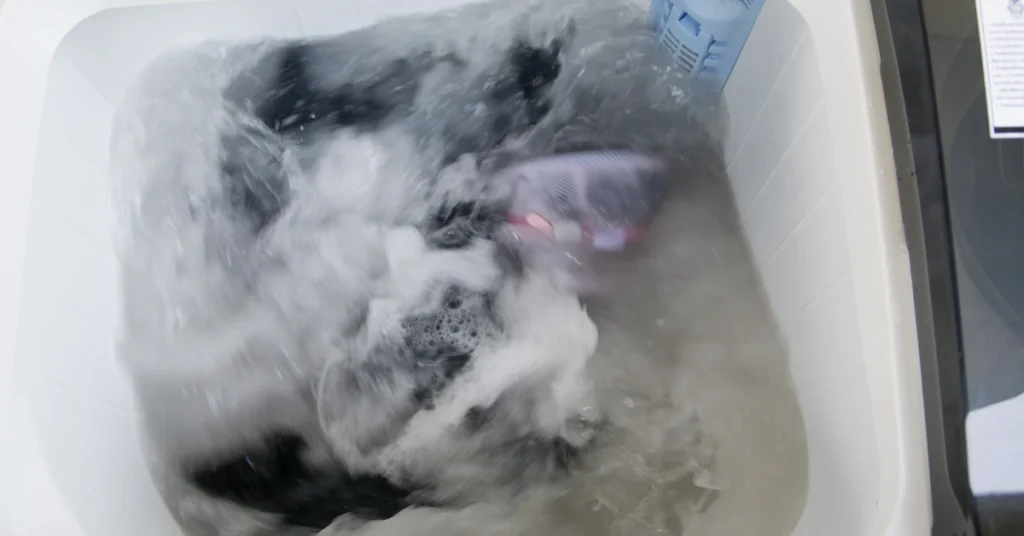
Hand washing gives you the most control, which is exactly why it’s the safest way to clean a wool blanket at home. Here’s how to do it step by step.
- Shake it out and brush it off. Take the blanket outside and give it a good shake to loosen dust and dirt. If you have a soft-bristle brush, run it gently along the fabric’s grain before washing.
- Fill a bathtub with cool water. A bathtub works best for a full-size blanket since it gives the wool room to soak without being squeezed into a small basin. Keep the water cool, never hot.
- Add wool-safe detergent. Mix it into the water first, then submerge the blanket. Let it soak quietly for a few minutes.
- Do not scrub, rub, or wring. This is the step people get wrong most often. Any aggressive rubbing can trigger felting. Instead, gently press the water through the fabric with your hands.
- Drain and refill for rinsing. Drain the soapy water, then refill the tub with fresh cool water to rinse out the detergent. Press gently again, don’t twist or wring.
- Press out excess water. Once rinsed, press down on the blanket to push out as much water as possible. Still no wringing.
- Roll it in a towel. Lay the damp blanket on a large dry towel, roll it up like a cinnamon roll, and press down to blot out more moisture.
- Dry it flat. Lay the blanket flat on a clean surface to air dry completely, away from direct sun or heat.
One thing worth knowing before you start: even when every step above is done perfectly, some shrinkage is unavoidable. Pendleton, a well-known wool blanket maker, notes that even with the mildest washing methods, a blanket can lose 3 to 6 inches in length, and that shrinkage tends to add up with each wash.
That’s exactly why wool blankets shouldn’t be washed often. Sticking to a wash about once every three months, instead of after every use, keeps your blanket looking and fitting the way it should for years longer.
How to Wash a Wool Blanket in a Washing Machine
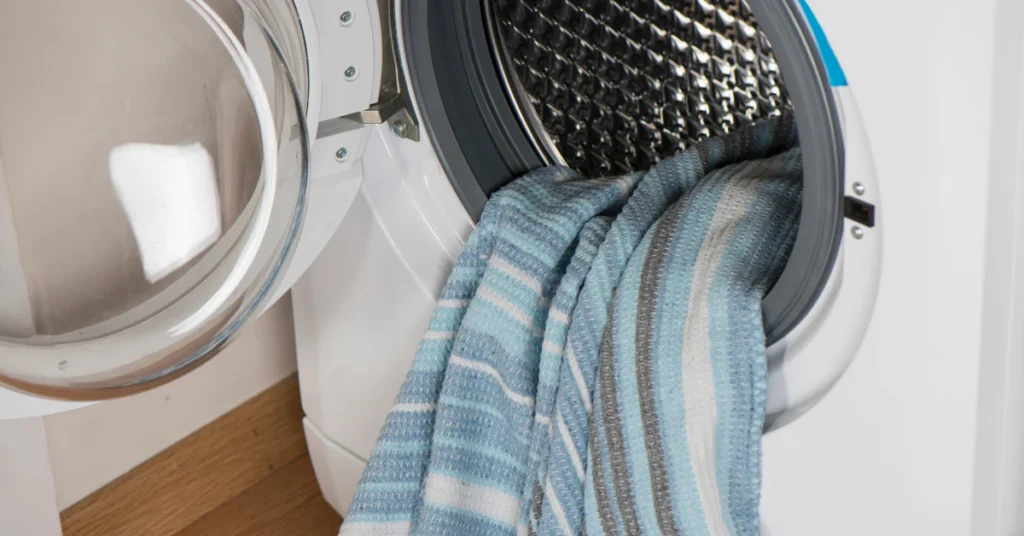
Machine washing a wool blanket is only an option if the care label says so. This isn’t a step you should guess on. If the tag doesn’t clearly say “machine washable,” skip ahead to hand washing instead, since putting an unlabeled wool blanket through a machine cycle is one of the fastest ways to felt it beyond repair.
If your label does give the green light, here’s how to do it safely.
- Select the wool or delicate cycle. Most washing machines have a specific wool setting. If yours doesn’t, use the gentlest delicate cycle available. These cycles use slower spin speeds and less agitation, which helps protect the fibers.
- Set the water to cold. Never use warm or hot water. As covered earlier, heat is the main trigger for permanent shrinkage, so cold water isn’t optional here.
- Add a wool-safe detergent. Use one of the enzyme-free, bleach-free options mentioned earlier, like Woolite Delicates or Tide Free & Gentle. Skip anything marketed as a tough stain fighter.
- Avoid overloading the drum. Give the blanket room to move freely in the water instead of getting crushed against the sides. A cramped load increases friction, which can speed up felting.
- Skip the extra rinse and spin cycles if your machine offers them as add-ons. Extra spinning means extra agitation, which is exactly what you’re trying to avoid.
- Remove it promptly once the cycle ends. Don’t let it sit damp in the machine.
Once it’s out of the machine, follow the same drying steps covered in the hand-washing section: no dryer, lay it flat, and let it air dry completely.
Drying Your Wool Blanket Safely (And The One Dryer Exception)
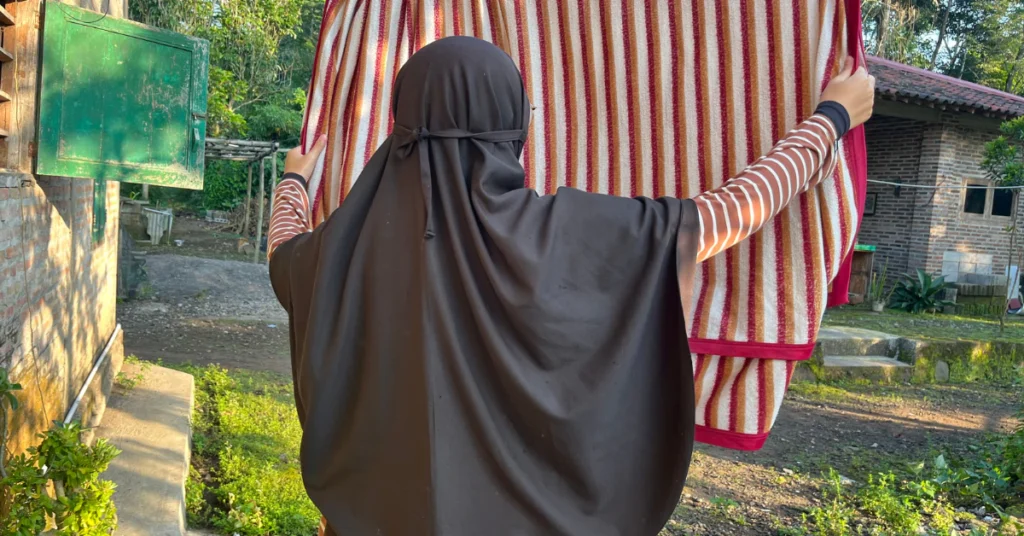
For almost every wool blanket, the dryer is off limits. Tumble dryers combine heat and tumbling action, which is the exact felting trigger covered earlier. Lay your blanket flat on a clean, dry surface instead, away from direct sunlight or any heat source, and let it air dry completely before using it again.
There’s one real exception worth knowing, though.
The exception: Pendleton notes that many of its blankets labeled “washable” have been given a special finish that resists shrinkage. These specific blankets are safe to tumble dry on a low heat setting.
This exception only applies if your blanket’s care tag clearly says it’s washable and dryer-safe. It doesn’t apply to standard, untreated wool blankets, and it’s brand and product specific rather than a universal wool rule. When in doubt, air drying flat is always the safer default, no matter what blanket you own.
Storing Wool Blankets to Prevent Moth Damage
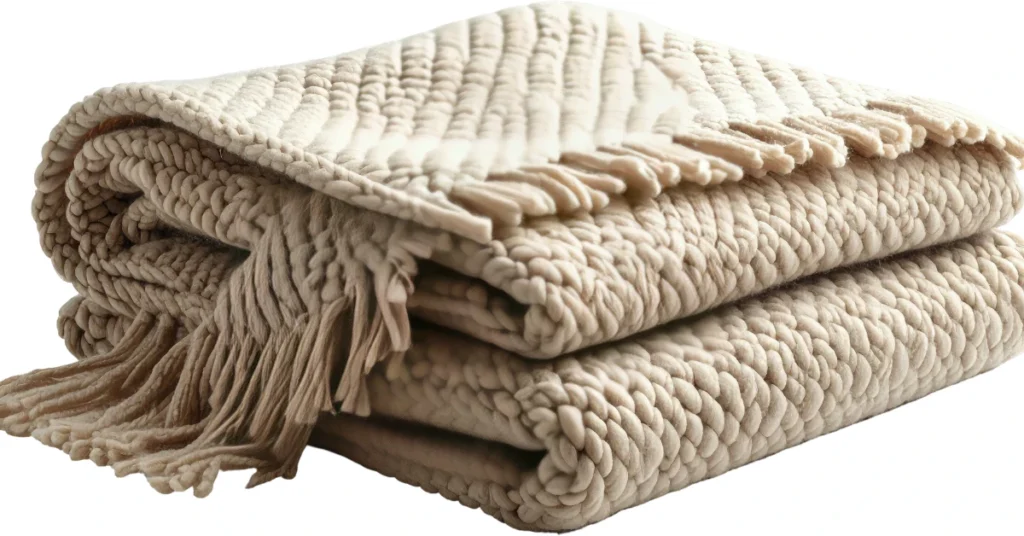
Cedar blocks get marketed as the go-to moth solution, but they’re weaker than most people assume. Cedar oil may affect very young larvae, but it doesn’t kill moth eggs or fully grown adults, and whatever effect it does have fades as the wood ages. Think of cedar as a nice extra, not a real defense.
The actual best protection is simpler than any product: wash your blanket before you put it away.
Moth larvae aren’t drawn to clean wool fiber itself. They’re drawn to the microscopic body oils, sweat, and food residue left behind on fabric that’s been used but not washed. A clean blanket gives them nothing to feed on.
So before storing a wool blanket for the season, give it a proper wash using the steps above, let it dry completely, then store it somewhere cool and dry. If you want extra peace of mind, a cedar block or sachet can go in alongside it, just don’t rely on it as your main defense.
Frequently Asked Questions
Can I wash a wool blanket in a washing machine?
Only if the care label says “machine washable.” Use a wool or delicate cycle, cold water, and a wool-safe detergent.
Can you put 100% wool in the dryer?
No, not for standard wool blankets. The heat and tumbling cause permanent shrinkage. The only exception is a blanket specifically labeled “washable” with a dryer-safe finish, like some Pendleton blankets.
How do you clean a 100% wool blanket?
Hand wash it in cool water with a wool-safe detergent, press gently without scrubbing or wringing, then lay it flat to air dry.
Is Dawn dish soap ok for wool?
No. Dawn is strong enough to strip natural oils, which is why fiber crafters use it on raw fleece. On a finished blanket, it strips out the lanolin and leaves the wool dry and brittle.
What can I use if I don’t have wool wash?
Mild shampoo, a hypoallergenic dish soap, or a diluted Castile soap all work as substitutes in a pinch.
What laundry soap is safe for wool?
Anything labeled enzyme-free, bleach-free, and phosphate-free. Woolite Delicates, Tide Free & Gentle, and dedicated wool washes all qualify.
Is Woolite actually good for wool?
Yes, based on its current official formula. Woolite Delicates contains no bleach, phosphates, or enzymes, despite rumors online that it was reformulated to be harsher.
Is Tide detergent ok for wool?
Only the Free & Gentle version. Regular Tide formulas often contain enzymes and brighteners that aren’t safe for protein fibers like wool.
What can I use instead of Woolite?
Mild shampoo, hypoallergenic dish soap, diluted Castile soap, or a dedicated wool wash product.
Conclusion
Washing a wool blanket doesn’t have to be stressful once you know the rules. Keep the water cool, skip the scrubbing, choose the right detergent, and let it dry flat instead of reaching for the dryer. Follow these steps and your blanket should stay soft, warm, and in good shape for years of cold nights ahead.