
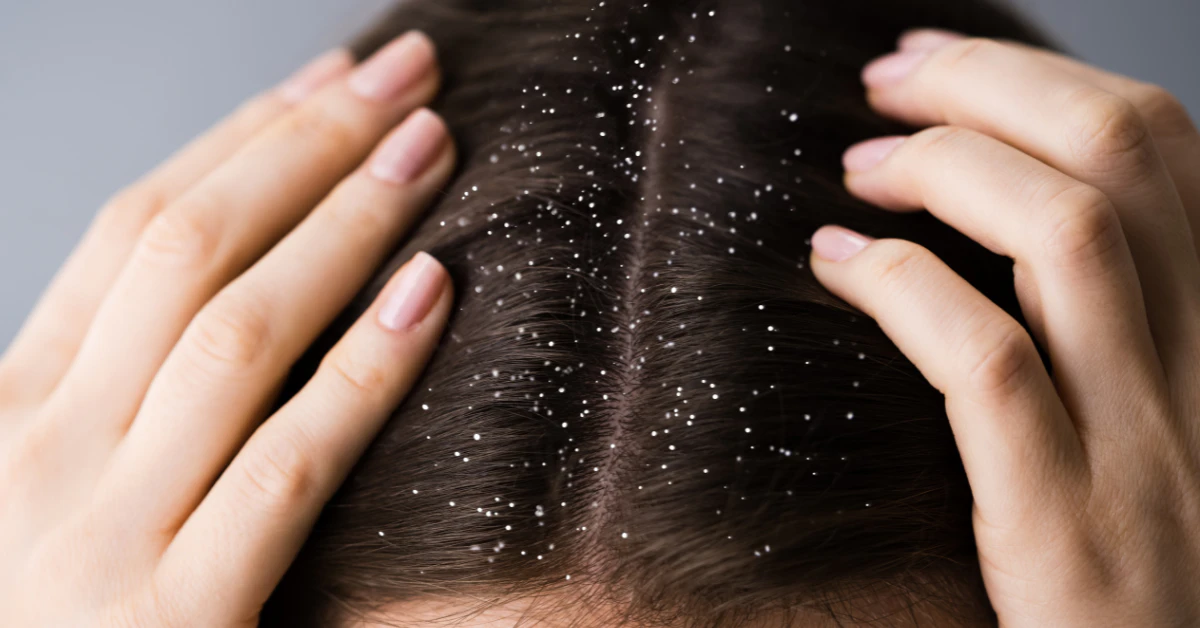
Searching for a way to clear dandruff in one wash? Here’s the honest answer: there isn’t one. Dandruff happens when your scalp sheds extra skin flakes, usually because of oil buildup and a yeast called Malassezia that lives on everyone’s scalp and feeds on that oil. It’s not caused by dirt, and it won’t vanish after a single shampoo.
But you can speed things up a lot by fixing the most common mistake people make in the shower: rinsing out medicated shampoo too soon. Most dandruff shampoos need real contact time with your scalp to work. Lather it in, then let it sit for a full 5 to 10 minutes before you rinse. Set a timer if you have to. Skipping this step is often the real reason a shampoo “doesn’t work,” not the product itself.
What Really Causes Dandruff?
Dandruff is not about being dirty. It comes from a mix of skin oil and a yeast called Malassezia that lives on every scalp. This yeast feeds on the natural oil, or sebum, that your skin makes. When your scalp produces extra oil, the yeast has more to feed on, and that can lead to more flaking and itching. This is why people with oily hair often deal with dandruff more than others. Dry skin and skin conditions like psoriasis or eczema can also play a role.
Here’s what a lot of people get wrong: scratching feels like relief, but it makes things worse. When you scratch, your brain releases histamine, which is the same chemical behind allergic itching. That histamine makes the area itchier than before, so you scratch again. This is called the itch-scratch cycle, and it can spin out of control fast.
There’s also a real physical risk. Scratching hard enough to break the skin opens the door for bacteria to get in, which can lead to infection. So the itch you’re trying to relieve can end up causing a bigger problem.
Choosing the Right Dandruff Shampoo for Your Symptoms
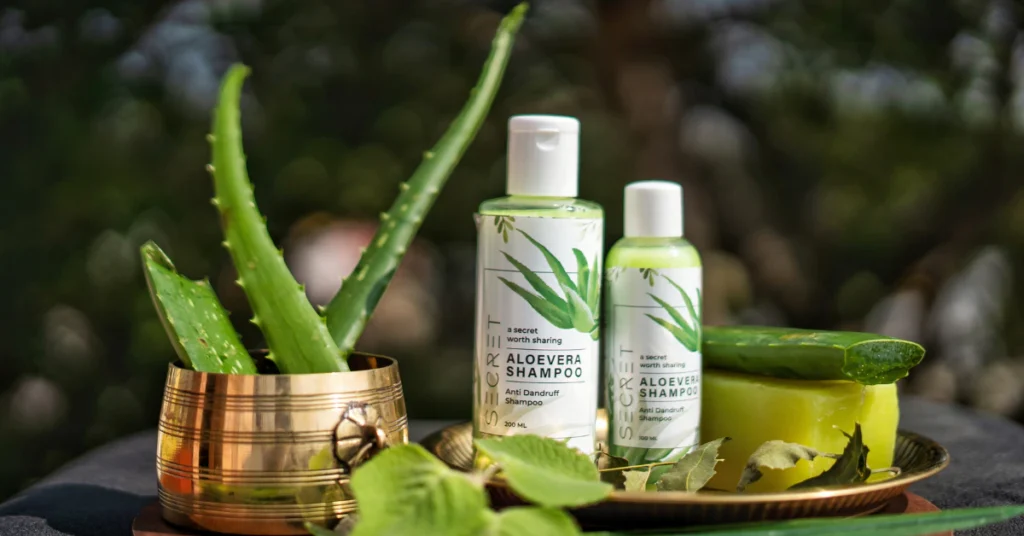
Not all dandruff shampoos work the same way. Some target the yeast that causes flaking, while others focus on breaking up scale and buildup. Matching the ingredient to your main symptom makes it much easier to pick the right bottle off the shelf.
Here’s a quick breakdown:
| Main Symptom | Look for This Ingredient | What It Does |
| Persistent flaking, itching from yeast overgrowth | Ketoconazole, Zinc Pyrithione, or Selenium Sulfide | Fights the fungus/yeast behind dandruff |
| Thick scale, crusty patches | Salicylic Acid or Coal Tar | Breaks up scaling and reduces flaking |
If you try one of these and it stops helping after a few weeks, don’t give up on treatment altogether. Dermatologists recommend rotating to a shampoo with a different active ingredient. Your scalp can get used to one formula over time, so switching it up can bring results back.
A few safety notes matter here. Coal tar shampoos can darken light-colored hair and make your scalp more sensitive to sunlight, so keep that in mind if you spend a lot of time outdoors or have fair hair.
You may also see tea tree oil listed in some dandruff products. There’s no strong evidence that it actually treats dandruff, and it can cause allergic reactions in some people, so treat it as a maybe, not a fix.
Above all, pay attention to how your scalp reacts. If a shampoo causes a rash, hives, or trouble breathing, stop using it right away and get medical help immediately. Don’t wait to see if it passes on its own.
For more on active ingredients and how they’re regulated, the American Academy of Dermatology has a helpful overview.
The Right Way to Wash (Water Temp & Timing)
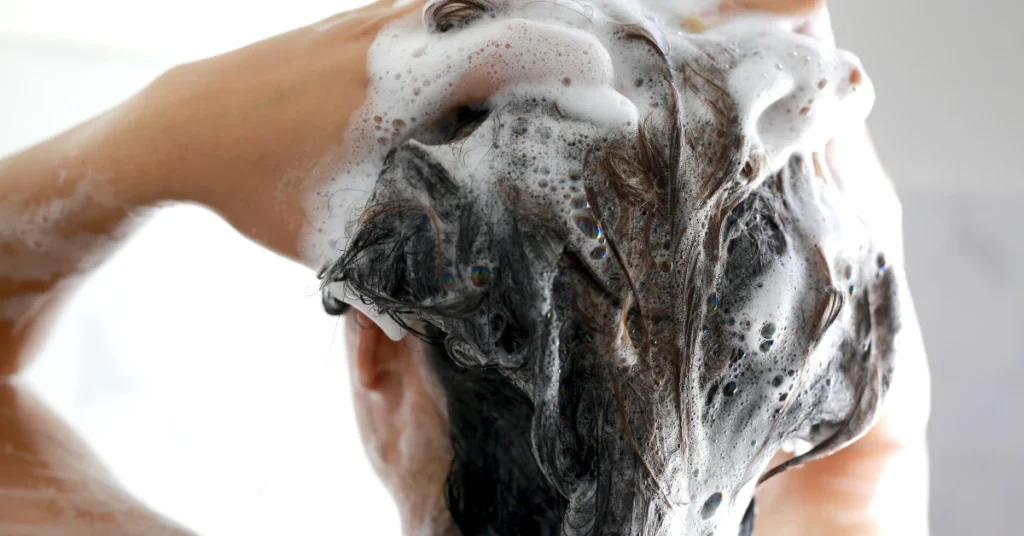
Your shower habits can undo even the best dandruff shampoo. Water temperature is one of the biggest hidden triggers, and most people never think about it.
Hot water, especially anything above 105°F, strips away the protective oils on your scalp. That leaves your skin dry and more likely to flake and get inflamed. It can feel relaxing in the moment, but it’s working against you.
Stick to lukewarm or cool water instead, somewhere in the 85°F to 100°F range. Your scalp stays calmer, and the medicated shampoo can do its job without extra irritation added on top.
Technique matters as much as temperature. Wet your hair with lukewarm water, work the shampoo into your scalp with your fingertips, and then let it sit for the full 5 to 10 minutes mentioned earlier. Rinse with the same lukewarm or cool water, not a hot blast at the end.
None of this replaces the right shampoo. But washing the wrong way, with water that’s too hot or a rinse that’s too quick, can cancel out the benefits of even a strong, well-matched product.
Dandruff Routines for Curly Hair, Braids, and Long Hair
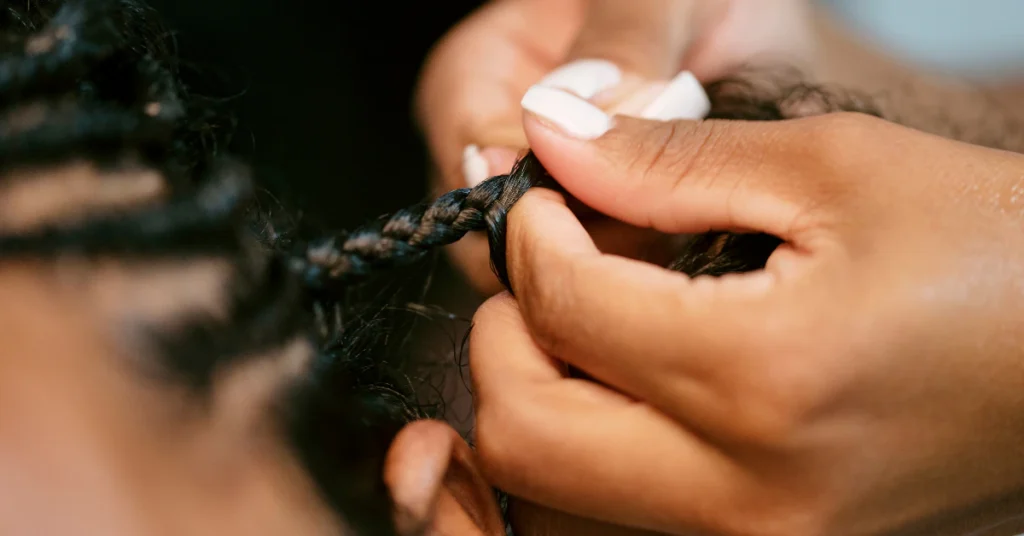
Standard dandruff advice usually assumes straight, short hair. If you have curly, braided, or long hair, you need a slightly different approach.
Curly Hair
Medicated shampoo can be harsh on curls if you use it the same way people with straight hair do. Apply it to your scalp only, not down the full length of your hair, and stick to about once a week. This targets the yeast and oil where the problem starts, without stripping moisture from your curls.
Be careful with co-washing, which means cleansing with conditioner only and skipping shampoo. It’s gentle on curls, but if you rely on it completely, oil and product buildup can pile up on your scalp. That buildup feeds the yeast behind dandruff, so co-washing alone can make things worse over time. Use it between washes, not as a full replacement for shampoo.
Braids
Braids change everything about scalp care. Once your hair is braided, you can’t just lather and rinse the way you normally would, since the braids block direct access to your scalp.
The best approach starts before you even get braided. Exfoliate your scalp thoroughly before your braiding appointment to clear away buildup and flakes. Once the braids are in, use a leave-in anti-dandruff spray, applying it section by section so it actually reaches your scalp instead of just sitting on the braided hair.
Also, don’t leave braids in for too long. The longer they stay in, the harder it is to keep your scalp clean and treated, and that can let dandruff build up unchecked.
Long Hair
With long hair, the goal is to treat the roots without turning your whole head into a drying zone. Focus the medicated shampoo strictly on your scalp, where the yeast and oil actually live. Then use a regular conditioner on the lengths to keep the rest of your hair soft and protected. This way, the active ingredients do their job at the root without leaving your ends dry and brittle.
How to Manage Flakes When You Can’t Wash Today
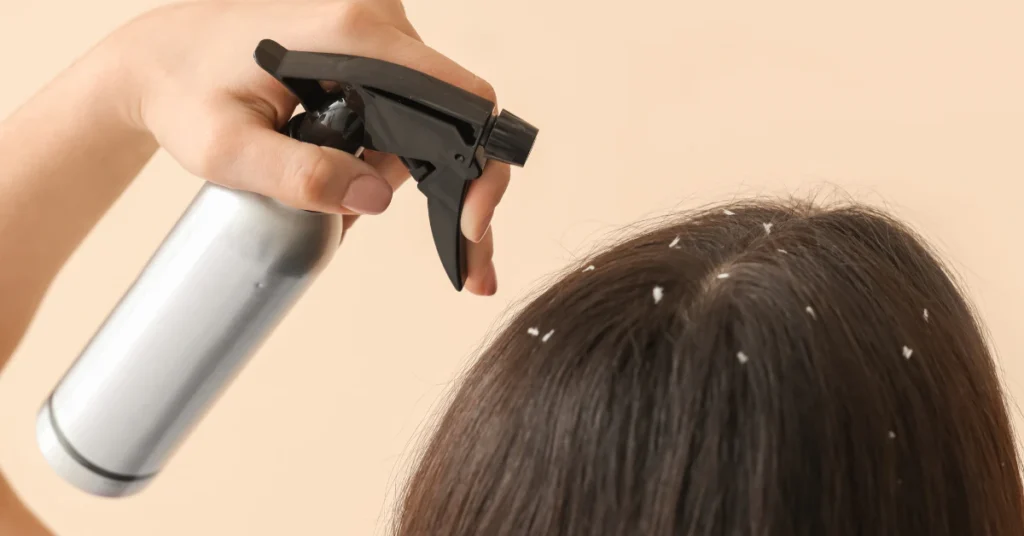
Sometimes you just don’t have time for a full wash, but you still want your scalp and shoulders to look presentable. A targeted scalp spray can help in the moment, cutting down on visible oil and knocking back some flakes between washes.
Think of these tools as a bridge, not a fix. They buy you a few hours of looking cleaner, but they don’t treat the actual cause of your dandruff.
This matters because skipping washes too often backfires. When you go too long without washing, oil, dead skin, and product residue build up on your scalp. That buildup gives the yeast behind dandruff more to feed on, which can make your flaking worse, not better.
So if you use a quick fix today, treat it as a stopgap. Get back to your regular wash and shampoo routine as soon as you can, rather than letting “skip the wash” become your everyday habit.
Frequently Asked Questions
What are the causes of dandruff?
Dandruff comes from a mix of oily or irritated skin, dry skin, and a yeast called Malassezia that lives on your scalp and feeds on oil. Other skin conditions, like psoriasis or eczema, can also play a role. It is not caused by being dirty.
Is it okay to scratch dandruff?
Scratching feels good in the moment, but it triggers a histamine release that makes the itch come back stronger, known as the itch-scratch cycle. Scratching hard enough to break the skin can also let bacteria in and lead to infection.
How often should I wash my hair if I have dandruff?
It depends on your hair type. If you have fine, straight, or oily hair, you can wash more often, using medicated shampoo about 2 to 3 times a week. If you have curly or coily hair, wash when needed and use medicated shampoo on your scalp only, about once a week.
Does hot water cause dandruff?
Hot water does not cause dandruff directly, but water above roughly 105°F strips your scalp’s natural oils, leading to dryness and more flaking. Lukewarm or cool water, around 85°F to 100°F, is a better choice while you manage dandruff.
What kills dandruff faster?
No shampoo works instantly, but leaving a medicated shampoo on your scalp for the full 5 to 10 minutes gives ingredients like ketoconazole, zinc pyrithione, or selenium sulfide time to actually work. Rinsing too soon is one of the biggest reasons people feel like their shampoo isn’t working.
What makes dandruff worse?
Washing too infrequently lets oil, dead skin, and buildup collect on your scalp, which feeds the yeast behind dandruff. Hot water, scratching, and skipping the recommended contact time on medicated shampoo can also make flaking worse.
Conclusion
Dandruff is not something you fix in one wash, but it is something you can manage well once you understand what is actually going on. It comes down to oil, yeast, and how you treat your scalp day to day. Choose a shampoo that matches your main symptom, give it the full contact time it needs, wash with lukewarm water, and adjust your routine for curly, braided, or long hair. Do that consistently, and flaking becomes a lot easier to keep under control.