
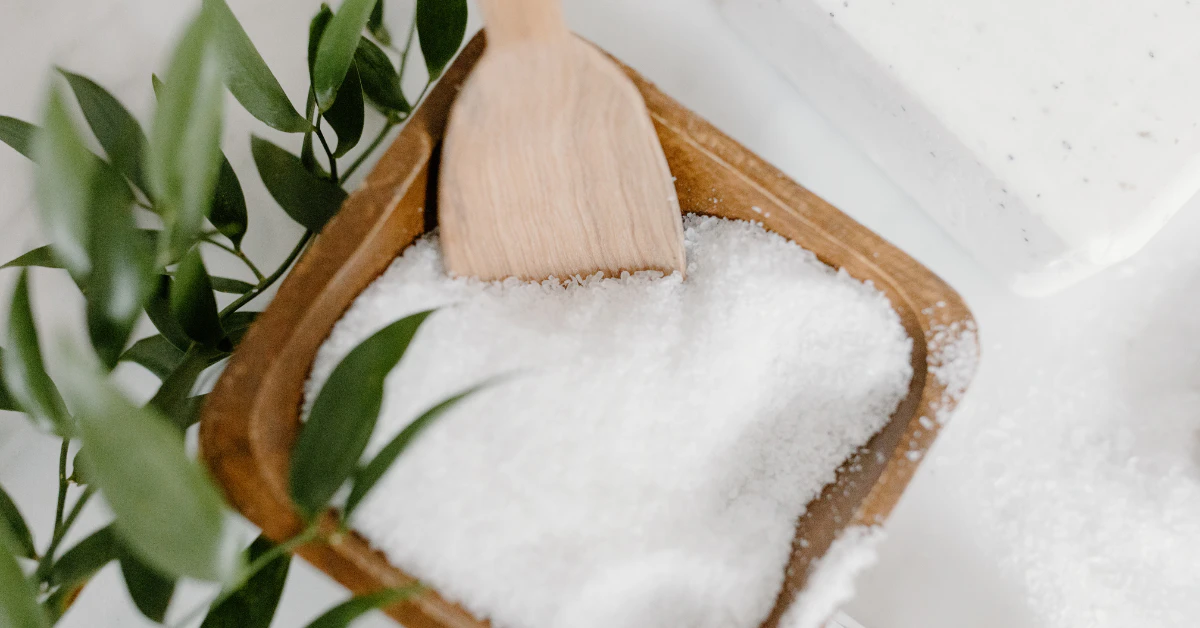
Smelling salts are a type of inhalant. The main ingredient is ammonium carbonate. When you breathe in the fumes, they irritate the lining of your nose and lungs. This forces your body to take a sharp, sudden breath. That breath is what gives you a quick burst of alertness.
People have used smelling salts for hundreds of years to help someone who has fainted. Today, athletes also use them before a big lift or play, hoping for a fast mental boost.
So what are smelling salts like in practice? The smell is strong and sharp. It hits you right away, often making your eyes water. Many people describe it as an instant, unpleasant jolt rather than a pleasant scent. That sharp sting is actually the product working as intended, since the irritation is what triggers the reflex breath.
What Are Smelling Salts & How Do They Work?

Smelling salts are not new. People have used them since at least the 1600s. Back then, the substance was called “spirit of hartshorn.” It got that name because it was originally made by heating deer horns or hooves. The result was a powder that gave off a sharp smell.
The key ingredient is ammonium carbonate. When this compound is exposed to air or moisture, it breaks down. The reaction looks like this: (NH4)2CO3 turns into 2NH3, CO2, and H2O. In plain terms, the solid compound releases ammonia gas, carbon dioxide, and water vapor. The ammonia gas is what you actually smell and react to.
This is also what smelling salts were traditionally good for. In the Victorian era, fainting was common, and smelling salts became the go-to fix. A small bottle, waved under someone’s nose, was often enough to bring them back to alertness.
Modern versions work a bit differently. Instead of the solid powder, many products now use ammonia already dissolved in water and alcohol. Some brands add scents like lavender or eucalyptus to soften the harsh smell.
No matter the form, the effect on your body stays the same. The ammonia irritates the lining of your nose and lungs. Your body reacts to that irritation by forcing a sudden, sharp breath. This reflex is involuntary, meaning you cannot stop it from happening. That sudden breath increases airflow and oxygen intake for a moment, which is what creates the brief spike in alertness people feel.
The Modern Squeeze: Usage in the Gym and on the Field

Smelling salts have become a regular part of sports culture, especially on the football field. One widely cited estimate from ESPN The Magazine put the number at around 80% of NFL players using them before plays. For many, it has become part of the pregame routine, a quick sniff used to feel sharper and more focused before the snap.
The gym tells a similar story. Ask what smelling salts are used for in the gym, and the answer is almost always the same: a mental jolt right before a heavy lift. Powerlifters in particular use them before deadlifts and squats, hoping that burst of alertness carries over into the lift itself.
But here is where the gym culture and the science start to disagree. Many lifters believe smelling salts make them physically stronger, as if the ammonia itself boosts muscle power. Research does not support this idea. Studies have found no evidence that smelling salts actually enhance muscle strength.
So what are smelling salts for athletes, really? The honest answer is alertness, not strength. The sharp inhale and quick jolt can make you feel more awake and focused in the moment. That mental edge may help some athletes feel ready to perform. But the body’s muscles are not getting any stronger from the product itself.
This gap between feeling and fact fuels an ongoing debate in strength sports. Some lifters are convinced the ritual genuinely helps their numbers. Others see it as pure placebo, a habit that feels powerful but does not change what the body can lift. Both camps agree on one thing: the immediate sensation is real. What remains unproven is whether that sensation turns into any actual physical advantage.
Are Smelling Salts Banned? A Sport-by-Sport Breakdown

In August 2025, the NFL sent a memo that made headlines across the country. Many reports simply said smelling salts were “banned” from the league. That is not quite accurate.
The memo actually barred team personnel from supplying smelling salts and other ammonia inhalants to players during games, practices, and halftime. It did not ban players from using the product at all. The NFL Players Association clarified this soon after. Players are still allowed to bring and use their own smelling salts. Teams simply can’t hand them out anymore.
Rules around smelling salts vary a lot depending on the sport. Here is how it breaks down:
| Sport or Organization | Current Rule |
| Boxing | Banned in most competitions, due to concern it could hide a more serious injury |
| NFL | Teams cannot supply them, but players may bring and use their own |
| International Powerlifting Federation (IPF) | Allowed, but only out of public view |
| NHL, NBA, and the Olympics | Currently permitted |
This mix of rules shows there is no single standard across sports. Boxing treats smelling salts as a safety risk worth banning outright. The NFL took a narrower approach, focused on who can provide them rather than banning use entirely. Powerlifting allows them with a privacy condition, while hockey, basketball, and Olympic sports have no restriction in place at all.
If you follow a specific sport closely, it’s worth checking that sport’s current rulebook directly, since policies can shift as more safety research comes out.
Safety Risks, Side Effects, and Contraindications

Smelling salts have real risks that go beyond a strong smell. The FDA has received reports of several adverse effects linked to these products. These include coughing, airway constriction, and irritation of the eyes, nose, and throat. More serious reports include shortness of breath, seizures, migraines, vomiting, diarrhea, and fainting.
Certain people should avoid smelling salts entirely. According to the standard OTC drug label, you should not use this product if you have asthma, emphysema, heart disease, or high blood pressure. You also should not use it if you are allergic to ammonia or strong odors. These are not minor cautions. They are listed directly on the product’s official drug facts label.
Safety warning: Keep smelling salts out of reach of children. If swallowed, contact Poison Control immediately at 1-800-222-1222.
There is also a packaging issue worth knowing about. Some smelling salt products are sold in spray bottles with “squeeze and sniff” instructions. This label can be misleading. These products are not meant to be sprayed directly into the nose. The FDA has specifically warned against this kind of marketing, since spraying the concentrated product straight into the nasal passage raises the risk of injury.
The most serious risk, though, involves head injuries. Smelling salts are sometimes used to try to wake up an athlete after a hard hit. This should never be done. When ammonia triggers the inhalation reflex, it often causes a sharp, involuntary jerk of the head and neck. If the athlete has a spinal injury from the hit, that sudden movement can make the injury worse. This is why current sports medicine guidance treats smelling salts as contraindicated after a possible head or neck injury. The right move after any hard hit is to keep the person still and get medical help, not to use smelling salts to rouse them.
Where to Buy Smelling Salts
Smelling salts are sold as consumer products, not as regulated supplements, so they are easy to find in several places. Walmart.com carries a number of options, including brands like Safetec and Epic Medical Supply. Specialty lifting and strength sport stores often stock them too, usually alongside other gym gear.
Buying online tends to be the most reliable route. You can see exactly what’s in stock and compare brands before ordering.
In-person shopping is less predictable. Some local pharmacies carry smelling salts, but stock varies by store and location. One branch might have them on the shelf, while another nearby does not. If you’re hoping to pick some up in person, it’s worth calling ahead to check rather than making a special trip and coming up empty.
Because these products are not tightly regulated as supplements, labeling and ingredient details can also vary between brands. It helps to read the packaging closely before buying, especially if you have any of the health conditions mentioned earlier in this article.
Frequently Asked Questions
Why do NFL players sniff smelling salts?
Many players believe the sharp smell gives them a quick mental edge before a play. One widely cited estimate puts usage at around 80% of NFL players. The goal is alertness, not strength, since there’s no proof the product makes players physically stronger.
How long does the high from smelling salt last?
The effect comes on almost instantly, but it fades fast too. Most people only feel the jolt of alertness for a few minutes before it wears off.
Why were smelling salts banned?
They aren’t fully banned in the NFL. In August 2025, the league barred team staff from supplying smelling salts to players. Players are still allowed to bring and use their own. Boxing takes a stricter stance, banning the product outright over concerns it can mask a more serious injury.
Is it safe to wake someone up with smelling salts?
Not after a head or neck injury. The sharp inhale reflex can cause a sudden, involuntary jerk of the head and neck. If there’s any chance of a spinal injury, that movement can make things worse. Smelling salts should not be used to try to revive someone after a hard hit. Seek medical help instead.
Is there a downside to smelling salt?
Yes. The FDA has linked these products to coughing, airway constriction, and irritation of the eyes, nose, and throat. More serious reported effects include shortness of breath, seizures, migraines, vomiting, diarrhea, and fainting.
Does Walmart sell smelling salts?
Yes. Walmart.com carries several brands, including Safetec and Epic Medical Supply.
What store sells smelling salts in person?
Some pharmacies and specialty lifting stores carry them, but stock varies widely by location. Calling ahead before visiting a store is the safest way to confirm availability.
Does Dick’s Sporting Goods sell smelling salts?
This can’t be confirmed across all locations. Stock may vary by store, so check with your local Dick’s Sporting Goods directly.
Does Walgreens carry smelling salt?
Availability isn’t consistent across all Walgreens locations either. It’s best to call your local store or check their website before heading out.
For more detail on reported side effects, see the FDA’s consumer safety page on ammonia inhalant products.
Conclusion
Smelling salts have been around for centuries, and their basic science hasn’t changed much. The ammonia still works the same way it always has, by irritating your airways enough to force a sharp breath. What has changed is how we understand their limits. They won’t make you stronger, they can trigger real side effects, and they should never be used on someone with a possible head or neck injury. Used with that knowledge, and bought from a source you trust, smelling salts remain what they’ve always been: a quick, temporary jolt, nothing more.