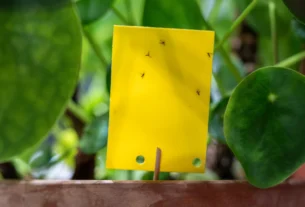

To stop dog barking, find the trigger, block your dog’s access to it, and teach a quiet replacement behavior. Do not yell. Do not reward demand barking with attention. Your goal is less noise, not total silence. The steps below show you how.
I know how stressful this feels. You’re on a call, the neighbors are home, and your dog will not stop. Your cheeks burn. You wonder who can hear it through the wall.
Here is the honest part. Barking is how dogs talk. The ASPCA says the realistic goal is to cut it down, not wipe it out. Some breeds just bark more than others.
Yelling won’t fix it. The ASPCA warns that punishment may hush a dog for a moment while the urge to guard stays strong. Then the dog may find a worse way to handle it. A quieter home is the target. Let’s build it.
The “Which Bark Is It?” 3-Question Test
I used to get this wrong. My dog barked at me, and I decided it was anxiety. I felt guilty for days. It wasn’t anxiety. Many owners mix up demand barking and separation distress, and the fix for each one is very different.
Ask yourself these three questions.
- Does the barking stop when you leave the room? If yes, you were the audience. That points to demand barking.
- Does it happen only when you are gone? If yes, think separation distress, not demand. Look for other signs, like pacing, chewing, or accidents in the house.
- Does your dog just need to go outside? Barking to potty is a different problem. Open the door and check.
Now listen to the sound. Demand barks tend to be short. You’ll hear a single bark or a few quick ones in a row.
The ASPCA lists a few more clues:
- Alarm barking: a stiff body and a small pounce forward with each bark.
- Greeting barking: a loose body, a wagging tail, and sometimes whining.
- Compulsive barking: the same bark over and over, often with pacing or running back and forth.
Why does this matter? The type decides the fix. Demand barking needs a replacement behavior. Barking from distress needs a vet and a qualified professional, not a firmer voice.
If the barking is sudden or strange, ask your vet to rule out pain first.
First Steps: Prevent, Block, and Check Health
Safety first: Before you try any training, have a vet rule out pain, illness, or injury. A dog in pain can bark, and no training plan will fix that.
This matters most for older dogs. Is your senior dog suddenly barking at night? Don’t start with training. Start with a vet visit. Vets list a few common causes:
- Pain, such as sore joints
- Hearing loss
- Vision changes
- Canine cognitive dysfunction, a brain change that can happen as dogs age
Your vet can suggest ways to treat it. Please don’t guess at it on your own. I won’t suggest any supplements here, because that call belongs to your vet.
Once health is cleared, work on the space. Preventing the barking comes first, because every bark your dog practices makes the habit stronger.
Windows are the biggest culprit. The AKC says window barking rewards itself. The dog barks, the person walks away, and the dog thinks the barking worked.
Here is how to cut it off:
- Block the view. Frosted film on the glass at your dog’s eye level, standing and sitting, works well. Bubble wrap is a cheap do-it-yourself option.
- Block the spot. Move the couch or put a gate in front of the window your dog uses as a lookout.
- Mask outside sound. Run music, a fan, or a white noise machine.
This isn’t giving up. You are stopping your dog from practicing the habit all day while you teach something better.
When I blocked my dog’s window view, the barking dropped on day one. It’s the easiest win you can get.
How to Stop Demand Barking & The “Extinction Burst”

Your dog locks eyes with you and barks. You know what they want. Maybe it’s the door, the ball, or dinner. This is demand barking, and it keeps going because it has worked before.
Here is the plan:
- Give nothing. Don’t look at your dog, talk to your dog, or touch your dog. Scolding counts as attention too.
- Don’t give in. If your dog wants the door opened, don’t walk toward it. If they want a toy tossed, stay put.
- Turn away. Face another direction or leave the room.
- Reward the quiet. The moment the barking stops, ask for a sit. Then give your dog what they wanted.
I won’t pretend this is easy. Ignoring a dog who is staring straight at you feels rude and almost impossible. I’ve sat on my hands more than once. Stay with it.
Expect it to get worse first. When the barking stops paying off, many dogs bark louder or longer. Trainers call this an extinction burst. Your dog is thinking, “This always works, so I’ll try harder.” It is normal, and it does not mean you are failing.
This is where most people quit. Giving in even once teaches your dog that barking longer pays off, like a slot machine that sometimes hits.
Ignoring only works when your attention is what your dog wants. If the prize is the door, the ball, or the bowl, hold that back too until the barking stops.
Pair this with a better way to ask. One trainer suggests rewarding a dog who lies down on their own with a tiny treat by the paws. Your dog learns that lying down gets your attention, and barking doesn’t.
Pet safety: If you have more than one dog and they squabble over food, don’t drop treats on the floor unless that dog is alone in the room.
Last, get everyone on board. If one person caves, your dog learns to keep trying until someone gives in. Every family member needs the same rule.
This plan is for demand barking only. For fear or barking when you leave, talk with your vet and a qualified trainer.
Training a Replacement Behavior (Without Aversives)

A dog who can’t bark needs a better job. The ASPCA’s “go to your spot” method works well for door and visitor barking.
- Teach the basics first. Practice sit or down, then stay, in a quiet room.
- Pick a spot. Choose a mat or crate at least eight feet from the front door, still in view.
- Teach the cue. Say “Go to your spot,” toss a treat onto it, and reward your dog for standing there. Repeat 10 to 20 times.
- Build the stay. Add one second at a time until your dog holds it for 30 seconds.
- Add the door. Only then walk toward it. Start with small distractions, then practice with a friend knocking.
Go slow. The ASPCA wants your dog succeeding about 90 percent of the time in practice before real visitors come. If your dog breaks the stay, make it easier next time.
Why I skip startle tricks. You may see advice to shake keys or a can of pennies at a barking dog. I don’t use it. The American Veterinary Society of Animal Behavior (AVSAB) says to use reward-based methods only. It lists shaker cans as aversive tools. I would rather teach my dog what to do than scare them into silence.
The same goes for gear. Never tie a muzzle shut, and never leave one on for long or without watching your dog. Dogs can’t pant or drink in one. A head halter is fine only when you are right there supervising.
Safety warning for rewards: If you use frozen Kongs or peanut butter to reward quiet, check the label for xylitol first. It can also appear as “birch sugar.” Xylitol is highly toxic to dogs, and signs can show up 12 to 24 hours later. If your dog eats it, call your vet, an emergency clinic, or a pet poison center right away.
Give chews only if your dog can enjoy them safely alone. If you have more than one dog, keep them apart so food doesn’t start a fight.
Tackling Specific Triggers: Windows, TV, and Guests

Some triggers show up every day. I’ll cover the three that drive owners the craziest. The idea behind all of them is the same. Stop your dog from rehearsing the barking, and teach a better habit.
- Windows: Put frosted film on the lower half of the glass, at your dog’s eye level. Check it with your dog sitting and standing. It blocks the view and still lets light in. Then mask the noise with a fan, music, or a white noise machine. Every bark at a passerby is practice, so no view means less practice.
- TV and screens: The ASPCA says dogs often bark because they hear other dogs bark, even on TV. Their fix is to distract your dog with treats or play when it happens. I would go one step earlier. Hand over a chew before the barking starts, not after. Keep practice short. One trainer uses bursts of 30 to 90 seconds, several times a day. Short and often beats long and tiring.
- Guests: Don’t let your dog greet people at the door while they are still learning. Send your dog to their spot when someone knocks. Let guests come in and sit down first. Then wait about a minute before you release your dog to say hello. Use a leash if your dog might jump.
Before any of that works at the real door, your dog needs to hold the “go to your spot” stay about 90 percent of the time in practice. Use friends for mock visits, over and over. If your dog still barks at the knock, you moved too fast. Go back a step.
Harness time: Some dogs bark the second the harness comes out. I haven’t found a researched fix for this one. The same idea should apply. Reward calm behavior before the barking starts, and don’t hand over the walk while your dog is barking.
Pet safety: If you use chews or stuffed toys for the TV trick, only give them if your dog is safe alone with them. Check any peanut butter for xylitol, also listed as “birch sugar.”
Bark Collars and Devices: An Honest Look
When your dog barks all day and the neighbors are glaring, a $30 gadget looks like a lifeline. I get it. But the evidence is thinner than the box claims.
| Device | What the research says |
| Citronella spray | Small studies, mixed results. It worked for 3 of 7 dogs in a 2011 study, and caused stress in some. A 1996 study of 9 dogs found owners preferred it over shock. |
| Electric shock | The American Veterinary Society of Animal Behavior (AVSAB) advises against it. In the 1996 study, four of eight owners said it did nothing. |
| Noise-only collars | The ASPCA says they don’t work for most dogs. |
| Ultrasonic devices | I found no independent study, so I can’t tell you they work. |
Two problems to know about. The ASPCA says many dogs become “collar-wise.” They stay quiet while wearing it and bark once it’s off. Also, collars that listen for barking can misfire in a home with more than one dog. Any dog’s bark can set it off, so the wrong dog may get corrected.
Here is the bigger issue. A device may quiet the noise for a while, but it doesn’t teach your dog what to do instead. If barking comes from fear, anxiety, or compulsion, the ASPCA says collars are especially a poor choice. Pushing a scared dog harder can make things worse.
If you’re thinking about a device anyway, talk to a certified trainer or a veterinary behaviorist first. The ASPCA suggests this before using any anti-bark collar.
Skip the gadget aisle. Find the trigger, block it, and teach a replacement. It takes longer, and it’s the path the evidence supports.
Apartment Living: Neighbors, Thin Walls, and the Law
If you rent, every bark feels like a letter from your landlord waiting to happen. Hallway footsteps, a slamming door, an elevator ding. Your dog hears all of it, and so do your neighbors when your dog reacts.
First, the legal question. There is no federal law on how long a dog can bark. The rules come from local noise ordinances, and they differ from city to city.
Here is one real example. Aurora, Illinois approved a rule that allows a $100 ticket if a dog barks more than 15 minutes at a stretch between 7 a.m. and 10 p.m. Neighbors would need recordings or several witnesses to report it. Check the article’s date, since city rules change. Your own city may be stricter, looser, or silent on timing. Look up your local code, or check your lease.
Here is what I’d do if you’re the owner:
- Block the door gap and the window view. Hallway noise is a trigger like any other.
- Mask the sound. Music, a fan, or white noise can help your dog ignore noise outside.
- Talk to your neighbors early. Tell them you’re working on it. A friendly heads-up goes a long way.
If you’re the neighbor, keep a simple log. Write down the date, the time, and how long the barking lasted. A calm, polite conversation first often works better than a complaint.
Whichever side you’re on, the fix is the same. Block the trigger, teach a better habit, and give it time.
Frequently Asked Questions
How long does it take to stop barking?
No source gives a fixed timeline. The ASPCA says there is no quick fix. Expect an extinction burst early on, where barking gets worse before it fades. Progress usually shows up first as shorter barking bursts.
Should I ignore my dog’s barking?
Only for demand barking, and only with a replacement behavior. Never ignore alarm barking or fear barking.
Do bark collars work?
The evidence is mixed and the studies are small. The AVSAB advises against aversive tools, and the ASPCA says collars are not a first choice.
Is yelling at a dog to be quiet okay?
No. The ASPCA warns that punishment can backfire, especially when fear is behind the barking.
My dog barks only when I leave. Is it separation anxiety?
It may be, especially if you also see pacing or chewing. Have your vet rule out medical causes, then get help from a qualified professional.
How long can a dog bark legally?
There is no federal limit. Local noise ordinances decide, so check your own city code.
Conclusion
A quiet home doesn’t happen overnight, and it won’t mean total silence. But it will come. Check with your vet first. Find the trigger. Block it. Then teach your dog a better way to ask.
Stay calm when the barking gets worse before it gets better. That’s normal. Keep everyone in the house on the same plan, and skip the yelling and the gadgets.
I know how tired you are. Start with one small win today, like frosting that window. Your dog is not broken. They just need a clearer job to do.