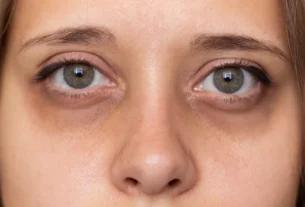
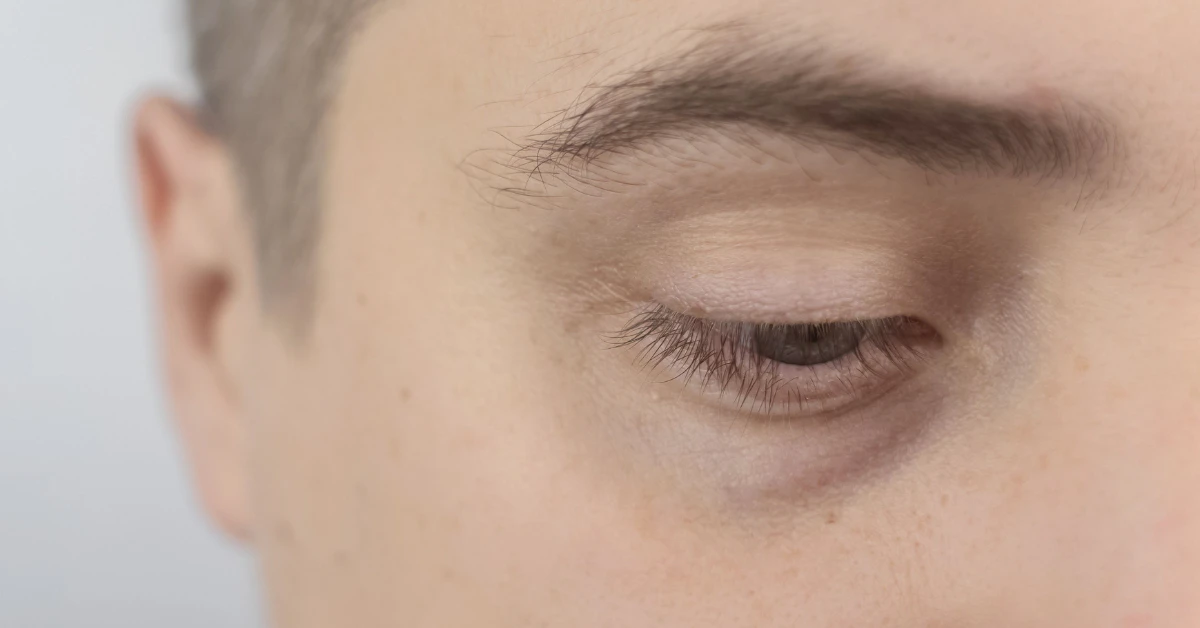
The fastest way to get rid of bags under eyes is a cold compress. Hold something cool like an ice pack or chilled spoon over your closed eyes for a few minutes. This calms blood flow to the area and brings swelling down fast, according to Johns Hopkins Medicine.
If you’re staring in the mirror right now, annoyed at the puffy pockets under your eyes, you’re not alone. Bags under eyes are simply mild swelling or puffiness in that area, and they’re incredibly common, according to the Mayo Clinic.
Here’s the part that might take some pressure off you. Yes, sleep and water matter. But aging, genetics, and the natural structure of your face often play a bigger role than any late night ever could. So if you’ve been blaming yourself for not chugging enough water, you can stop. Sometimes it’s just your anatomy.
Why Most Remedies Fail: The 4 Types of Under-Eye Issues

Ever bought an eye cream, used it for weeks, and seen zero change? You’re not doing anything wrong. You might just be treating the wrong problem.
Dermatologists break down under-eye trouble into four separate types. Each one needs a different fix.
Puffiness
This is temporary swelling caused by fluid buildup. It often shows up after a salty meal, a rough night, or crying. Cold compresses and caffeine work well here.
Fat-pad bags
This is the true “bag” people mean when they search for this topic. As you age, the tissue holding fat in place around your eyes weakens, and that fat pushes forward. It creates a soft bulge that doesn’t go away with sleep or water.
Volume loss or hollowing
This is the opposite problem. Skin loses fullness and creates a sunken, shadowy look rather than a bulge.
Pigment or dark circles
This is discoloration, not swelling. The skin here just looks darker or more blue, often from thin skin or visible blood vessels.
Here’s the mix-up that trips up so many people, and it shows up constantly on beauty forums and Reddit threads. People often use the word “bags” when they actually mean dark circles, and the other way around. So someone with true fat-pad bags buys a brightening serum made for pigment, uses it faithfully, and gets frustrated when nothing changes.
That’s not a failed product. That’s a mismatched fix. A serum built to fade discoloration was never going to shrink a fat pad. Knowing which type you’re dealing with is the real first step, before you spend another dollar on a cream.
The 10-Minute Morning Rescue Routine (At Home)
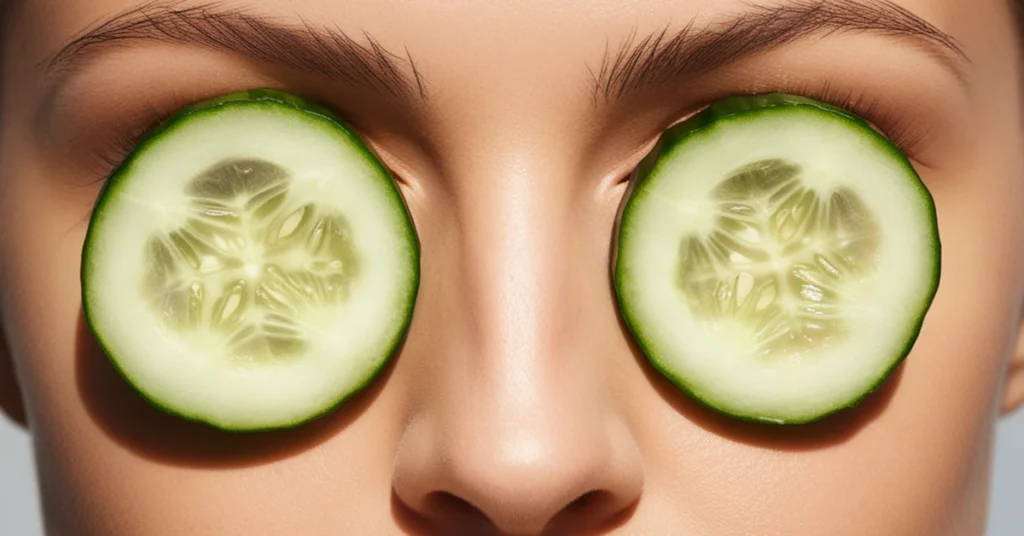
Woke up puffy with somewhere to be? Here’s a simple routine to follow, in order.
Cool things down (2 to 3 minutes)
Grab something cold. Chilled spoons, a bag of frozen vegetables, or slices of cold cucumber all work. Hold it gently over your closed eyes. The cold narrows the blood vessels in that thin skin and calms swelling fast, according to Johns Hopkins Medicine.
Add caffeine (1 to 2 minutes)
Caffeine tightens blood vessels too. Pat on a caffeine-based eye cream, or press chilled, used tea bags (caffeinated black tea) over your closed eyes for a minute or two.
Consider the hemorrhoid cream trick, with real caution
Some people reach for over-the-counter hemorrhoid cream because an ingredient in it narrows blood vessels. Johns Hopkins confirms this is a real at-home trick some people use. But this is an off-label use, meaning it wasn’t made for your under-eye area, so treat it carefully:
- Patch-test it first. Dab a small amount on your inner arm and wait 24 to 48 hours to check for a reaction before trying it near your eyes.
- Keep it strictly out of your eyes. Getting it in your eyes can cause pain or irritation.
- Never use it on broken or irritated skin.
- If you feel stinging, burning, or redness at any point, stop right away.
Finish and go
Once the puffiness has calmed down, apply your regular moisturizer and go about your morning. This routine won’t change true fat-pad bags, but it works well for everyday morning puffiness.
If you deal with ongoing allergies that seem to be causing the swelling, it’s worth talking to your doctor about options rather than relying on morning fixes alone.
Specific Scenarios: Crying and Lack of Sleep
Two triggers come up again and again: a hard cry, and a bad night’s sleep. Each one works a bit differently.
After crying
A good cry doesn’t just leave your eyes watery. It often leaves them puffy for an hour or more afterward. Tears themselves play a small part, but the bigger culprits are fluid shifting into the thin skin around your eyes and histamine being released in response to the irritation.
Here’s the habit that makes it worse: rubbing. When you wipe your eyes during or after crying, you add extra irritation on top of the swelling that’s already happening. Try dabbing gently with a soft tissue instead of rubbing, and reach for a cold compress once the tears have stopped to help things settle faster.
After a bad night’s sleep
When you lie flat all night, fluid has nowhere to go but to pool around your eyes. That’s part of why bags often look worse first thing in the morning.
The Mayo Clinic recommends two simple fixes. First, aim for 7 to 9 hours of sleep most nights. Second, sleep with your head slightly raised. You can prop up with an extra pillow, or raise the head of your mattress a few inches. This small change helps stop fluid from settling under your eyes overnight.
What About Bags That Show Up When You Smile?
If your under-eye puffiness only seems to appear (or get worse) when you smile, you might not be dealing with ordinary bags at all. You could be looking at something called festoons, also known as malar bags.
True under-eye bags sit right beneath your lashes and come from fat pushing forward. Festoons sit lower, on the upper part of your cheek, and they tend to look puffier or more noticeable when your face moves, especially when you smile.
This distinction matters more than you might think, especially if you’re considering a filler treatment. According to Dr. Laura Devgan, a member surgeon with the American Society of Plastic Surgeons, overfilling this area is a real risk. If the actual issue is fat herniation (true bags) rather than hollowness, filler can make the puffiness worse. It can also lead to something called the Tyndall effect, where the skin takes on an unwanted bluish tint.
The takeaway here is simple. Before anyone injects anything into this area, it’s worth getting a proper opinion on whether you’re dealing with true bags, festoons, or both. Treating the wrong one can leave you looking puffier, not better.
Tailored Advice for Men vs. Women

The science behind under-eye bags doesn’t care about gender. Aging, fat position, and fluid buildup work the same way for everyone. What differs is often the approach people prefer to take.
For women who want a same-day fix, makeup is a simple, well-used option. The Mayo Clinic notes that concealer or other cosmetics can help mask under-eye circles while you work on the underlying cause.
For men, makeup usually isn’t the first choice, and that’s completely fine. The good news is that the cold compress and caffeine routine covered earlier works exactly the same regardless of whether makeup is part of your routine. It’s a solid first line of defense for anyone.
Beyond that quick fix, the lifestyle habits that help the most apply equally to men: cutting back on salt, especially in the evening, not smoking, and getting consistent sleep. None of these require any product at all. They simply reduce how much fluid and swelling shows up under your eyes in the first place.
Long-Term Fixes: Creams vs. Permanent Solutions
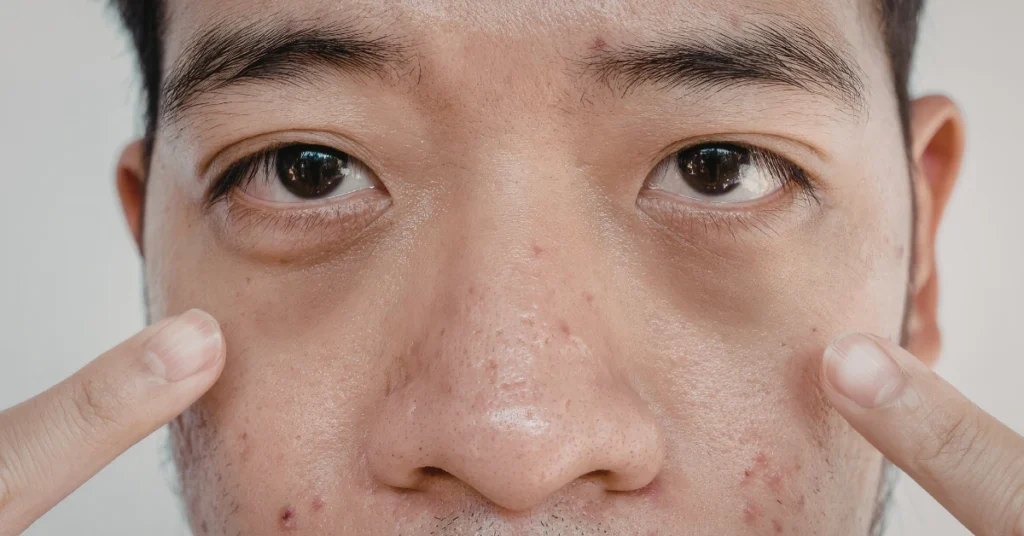
If quick fixes feel like you’re just managing the problem instead of solving it, you’re right. For real, lasting change, you have a few paths to choose from.
Topical creams: mild help, not a cure
Dermatologists commonly recommend eye creams with vitamin C and vitamin K. Vitamin C supports collagen and skin health, while vitamin K is often used to support the look of blood vessels under thin skin. These can help the area look a bit brighter and less puffy over time, but they won’t fix true fat-pad bags.
One quick caution: if your eye cream contains retinol, your skin becomes more sensitive to the sun. Wear sunscreen during the day when using retinol products at night.
Comparing your options
Here’s how the main choices stack up, based on timelines confirmed by Johns Hopkins Medicine.
| Option | Type | How long results last |
| Eye creams (vitamin C, K, caffeine) | Temporary | Daily upkeep needed, no lasting change |
| Hyaluronic acid filler | Temporary | 6 to 12 months |
| Laser resurfacing | Semi-permanent | Can last years |
| Chemical peel | Semi-permanent | Can last a few years |
| Blepharoplasty (eyelid surgery) | Permanent | Lasts a lifetime in most cases, rarely needs touch-ups |
An important safety note on laser resurfacing
If you’re considering laser resurfacing, there’s a safety point you need to know. According to the Mayo Clinic, this treatment carries a risk of permanent changes in skin color, meaning the skin can become darker or lighter than it should, in people with brown or Black skin. Talk with your provider about which laser technique reduces this risk before moving forward.
Where surgery fits in
According to the American Society of Plastic Surgeons, blepharoplasty was the fifth most popular cosmetic surgery procedure in their most recent statistics report. It’s considered the gold standard for true bags caused by fat pushing forward, and unlike creams or filler, it’s the only option on this list that medical sources describe as a lasting fix rather than something you need to repeat.
Frequently Asked Questions
Do eyebags go away?
It depends on the cause. Temporary puffiness from crying, salt, or poor sleep usually fades within a day. Structural bags caused by aging or genetics, where fat has shifted forward, don’t go away on their own. According to Johns Hopkins Medicine, these typically need a medical treatment like filler, laser, or surgery for real change.
What is the cause of eye bags?
According to the Mayo Clinic, the main causes include natural aging, fluid retention, lack of sleep, allergies, smoking, and genetics. Certain medical conditions, like thyroid eye disease or kidney disease, can also contribute. As you age, the tissue supporting your eyelids weakens, letting fat shift forward and fluid pool.
How to get rid of eyebags in 10 minutes?
The fastest method is a cold compress. Hold a chilled spoon, ice pack, or cold cucumber slices over your closed eyes for a few minutes. This narrows blood vessels and calms swelling quickly, according to Johns Hopkins Medicine. It won’t fix structural bags, but it noticeably reduces puffiness.
Can drinking water reduce eye bags?
Not directly, but staying hydrated helps your body avoid retaining extra fluid. The Mayo Clinic links high salt intake and fluid retention to under-eye puffiness. Cutting back on salt and fluids before bed is the more directly helpful habit, rather than simply drinking more water throughout the day.
What really shrinks eye bags?
It depends on which type you have. Puffiness responds to cold compresses and caffeine. True fat-pad bags only respond to filler, laser treatment, or surgery. Using the wrong fix for your specific issue, like a brightening serum on a fat-pad bag, is the main reason so many remedies seem to fail.
What organ is linked to under eye bags?
Medically, the Mayo Clinic links under-eye swelling to thyroid disease and kidney (renal) disease in some cases. Separately, in Traditional Chinese Medicine, an alternative healing system, the area is traditionally connected to Spleen health. This is a traditional belief, not a medically proven cause, and should be treated as such.
What vitamins get rid of eyebags?
No vitamin eliminates true bags. Dermatologists commonly recommend eye creams with vitamin C, which supports collagen, and vitamin K, often used to support the look of blood vessels under thin skin. These may improve the area’s appearance over time but are cosmetic aids, not a treatment for structural bags.
How to get rid of puffy under eye bags quickly?
Use a cold compress for a few minutes, then follow with a caffeine-based eye cream or chilled tea bags. The Mayo Clinic also recommends sleeping with your head slightly elevated the night before, which helps stop fluid from pooling under your eyes while you sleep.
What does Chinese medicine say about puffy eyes?
Traditional Chinese Medicine, an alternative system separate from Western medicine, connects puffiness under the eyes to Spleen Qi and internal fluid imbalance, sometimes called dampness. This is a traditional belief rather than a scientifically proven cause, and it should be understood as a different framework from the medical explanations above.
Conclusion
Bags under your eyes can feel like a frustrating mystery, especially when creams and tricks don’t seem to help. But once you understand what’s actually causing yours, whether it’s simple fluid buildup, true fat-pad bags, or something like festoons, the right fix becomes a lot clearer. Start with the simple stuff: a cold compress, better sleep habits, and less salt before bed. If those don’t move the needle, a conversation with a dermatologist or plastic surgeon can help you figure out which long-term option actually fits your situation.